
Custom Wristwatches Technical Guide: Selecting Movement, Crystal, Bezel Insert, and Bracelet Parameters
A custom wristwatch brief becomes manufacturable the moment it stops being a mood board and becomes a parameter sheet. Five specification blocks decide whether a programme samples once or three times: the movement, the water-resistance rating together with its sealing structure, the crystal, the bezel insert, and the case and bracelet hardware. This guide explains what to lock in each block, how each value is verified at acceptance, and why locked parameters are the only reliable foundation for a long-term private label OEM relationship.
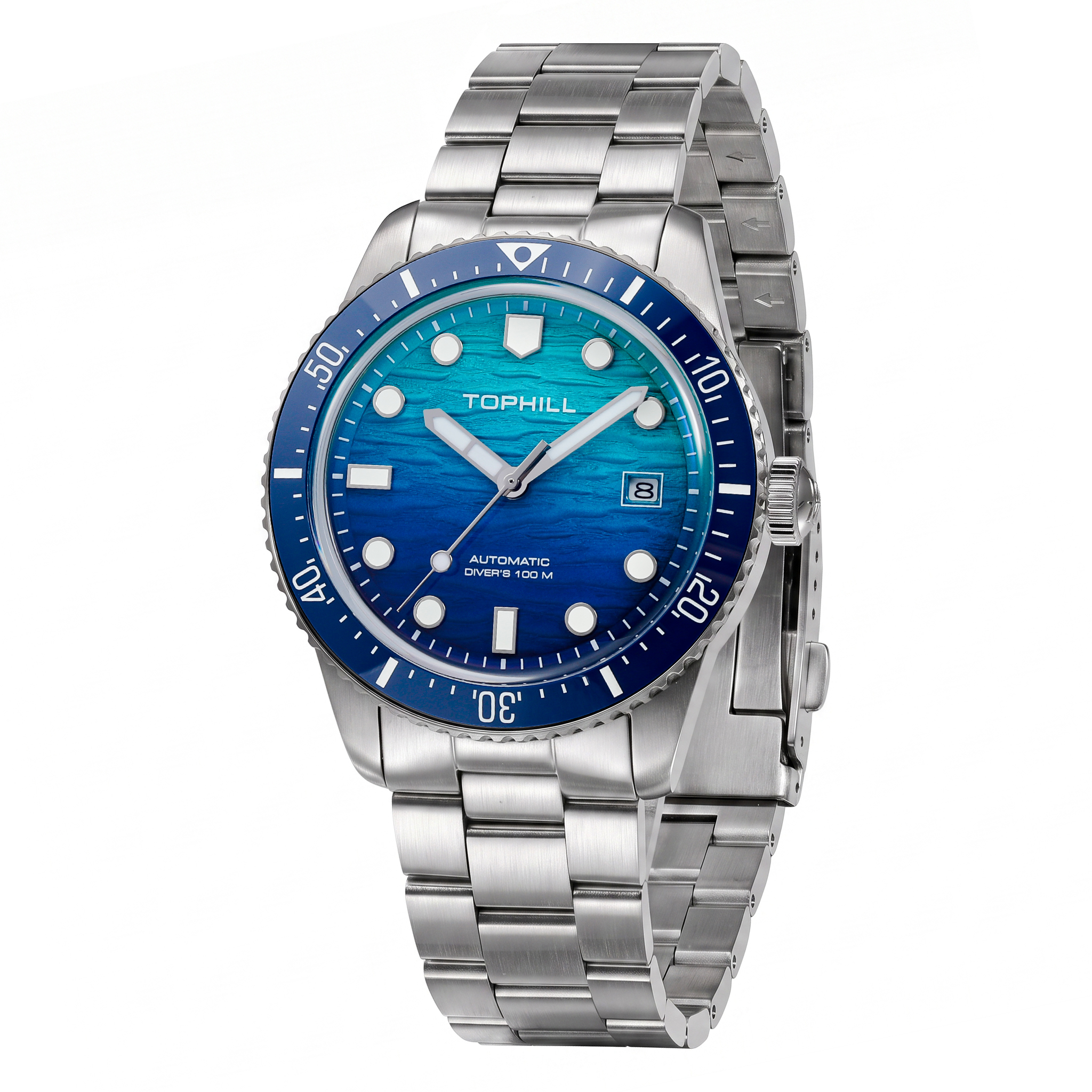
Quick answer: lock the movement by exact calibre; lock water resistance as a rating plus a sealing structure plus a test method; lock the crystal by geometry and gasket seat; lock the bezel insert by material, luminous grade and 12 o'clock alignment; lock the case and bracelet by steel grade, plating specification and buckle type. Any parameter left as an adjective will be decided by the factory rather than by the brand.
Why Custom Wristwatch Briefs Drift Between Sample and Mass Production
Most sampling disputes in custom wristwatch programmes are not caused by poor workmanship. They are caused by a brief that describes a feeling instead of a component. Phrases such as 'luxury weight', 'dive look', 'splash proof' and 'boxed sapphire' each conceal three or four independent decisions, and every one of those decisions will be made somewhere in the chain — by a factory default, by the movement stock available that month, or by whichever buckle is currently on the assembly shelf.
Three failure patterns repeat across private label programmes:
- The sample passes and the re-order drifts. The first sample is approved as an object, not as a document. When the second production run begins, hand height, dial feet, insert alignment or strap thickness are re-interpreted, and the brand receives a watch that photographs correctly but wears differently.
- The rating is printed but not constructed. A 200-metre figure on a dial means nothing if the crown is not screw-down and the case-back gasket is a standard daily-wear seal. Rating and sealing structure must be written as a pair, not as a marketing headline.
- Hardware is decided last. Buckle type, strap width at the lugs and end-link fit are frequently left until pre-production, after the case has already been machined. That single delay can move a launch date further than any movement shortage.
Terminology risk: the international reference for water-resistant watches is ISO 22810:2010, and within that framework the term 'waterproof' is prohibited. Resistance must be expressed as a rating under defined test conditions. A brand that prints 'waterproof' on a case-back is not making a stronger claim than a competitor — it is making a claim the standard does not support, which becomes a compliance exposure in markets where such claims are reviewed.
Industry Background: Why Parameter Discipline Drives Compliance and Cost
Two production logics coexist inside the same category. Industry research places quartz movements at 75% of global shipment volume, while mechanical watches contribute more than 68% of total market value. A brand buying volume and a brand buying perceived value are therefore specifying two different products, even when the case, crystal and bracelet look identical on a rendering.
The compliance layer sits on top of that split. Water resistance follows ISO 22810:2010, and diver's watches are referenced against ISO 6425. In the European Union, RoHS Directive 2011/65/EU applies to electronic watches, which includes quartz programmes, so a factory that cannot document RoHS compliance constrains the brand's market access before the first shipment leaves. Manufacturing-system certification matters for the same reason: Shenzhen Super Time CO., LTD., the watch manufacturer behind the TOPHILL brand, operates under ISO 9001 quality management and ISO 14001 environmental management, and its finished products are positioned to meet EU RoHS requirements.
The third background factor is the cost of late change. A parameter change after the case is machined reopens tooling, plating and testing; the same change written into the sample brief costs a conversation. Founded in 1992 and now operating a 1,500 m² manufacturing site, Shenzhen Super Time CO., LTD. runs a class-10,000 dust-free assembly workshop and a dedicated high-efficiency CNC prototyping workshop, with an R&D team of 4 designers and 3 engineers and more than 15 core staff holding over 15 years of watch-industry experience. The company has manufactured more than 20 million finished watches and supports custom programmes from 500-piece trial runs to batches above 500,000 units. In practice, that range only stays efficient when the specification is fixed before tooling starts.
The Five Parameter Blocks to Lock Before Sampling
1. Movement: Miyota Quartz, Japan Quartz, or Miyota Automatic 8215
Movement choice is the first lock because it silently fixes the case architecture. A Miyota Quartz or Japan Quartz movement draws energy from a button cell; a Miyota Automatic 8215 stores energy in a mainspring that is wound by the rotor as the watch is worn. The two families are not interchangeable inside a finished design: hand height, stem position, movement holder thickness and dial feet all change with the calibre.
- Movement family and exact calibre — Miyota Quartz, Japan Quartz or Miyota Automatic 8215, named on the sheet, never left as 'Japanese movement'.
- Hand holes and hand height stack — hour, minute and second hand heights must be stated so the crystal clearance is calculated correctly.
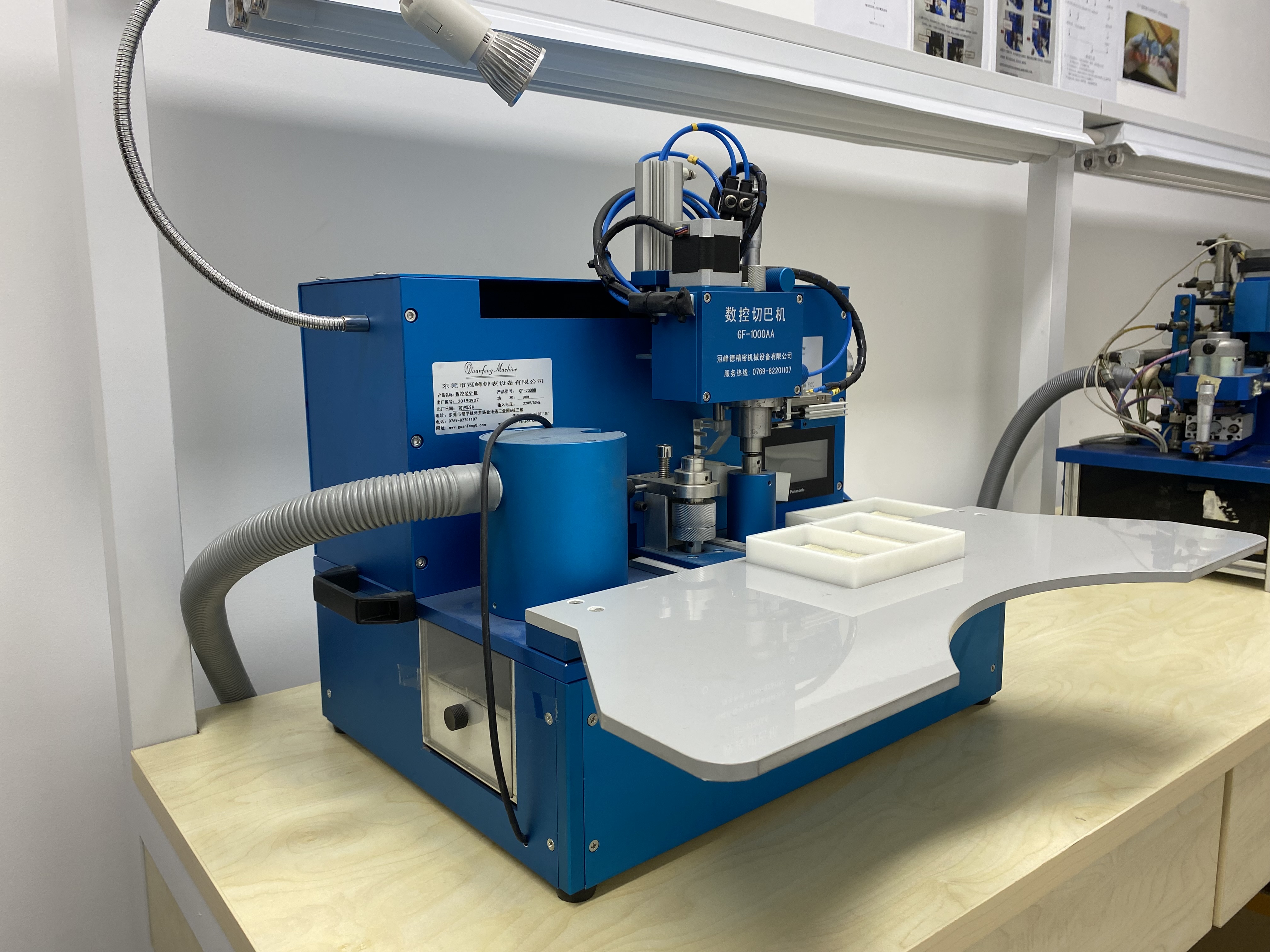
- Stem length and crown position — stem cutting is a controlled operation performed on a dedicated movement stem cutting machine.
- Dial feet positions and date window position — these determine whether the dial can be re-used if the movement changes later.
- Accuracy acceptance — quartz programmes are checked against a production reference of +20 seconds per month, and movement accuracy is verified on an automatic movement accuracy testing machine.
Decision rule: quartz suits multi-SKU volume programmes, slim dress cases and corporate gifting where rate stability and cost per unit dominate; an automatic calibre such as the Miyota Automatic 8215 suits value-positioned sports and dress models where the movement is part of the product story. Tolerance figures for any specific calibre should be taken from the movement supplier's datasheet and attached to the parameter sheet rather than inferred from the family name.
2. Water Resistance: 3ATM, 10 ATM, 100 Meters, and 200 Meters
Ratings are written in ATM, bar or metres, and the three are conventions for the same static laboratory pressure: 1 ATM is equivalent to 10 metres of static water depth, so 10 ATM corresponds to 100 metres and 20 ATM to 200 metres on that scale. The metre value is a pressure equivalent, not a usable dive depth, and should never be presented to end users as one.
- 3 ATM (30 m equivalent) — the common retail designation for business and dress watches: rain, hand washing and splashes. Where a documented daily-wear rating is required, the tested production envelope starts at 5 ATM, so 3 ATM is best treated as a fashion-watch convention rather than a tested specification.
- 10 ATM / 100 meters — swimming and surface snorkelling. This level needs a specified sealing structure, not just a gasket.
- 20 ATM / 200 meters — diving sports programmes, where ISO 6425 is the relevant reference for diver's watches and the crown and case-back construction have to match the claim.
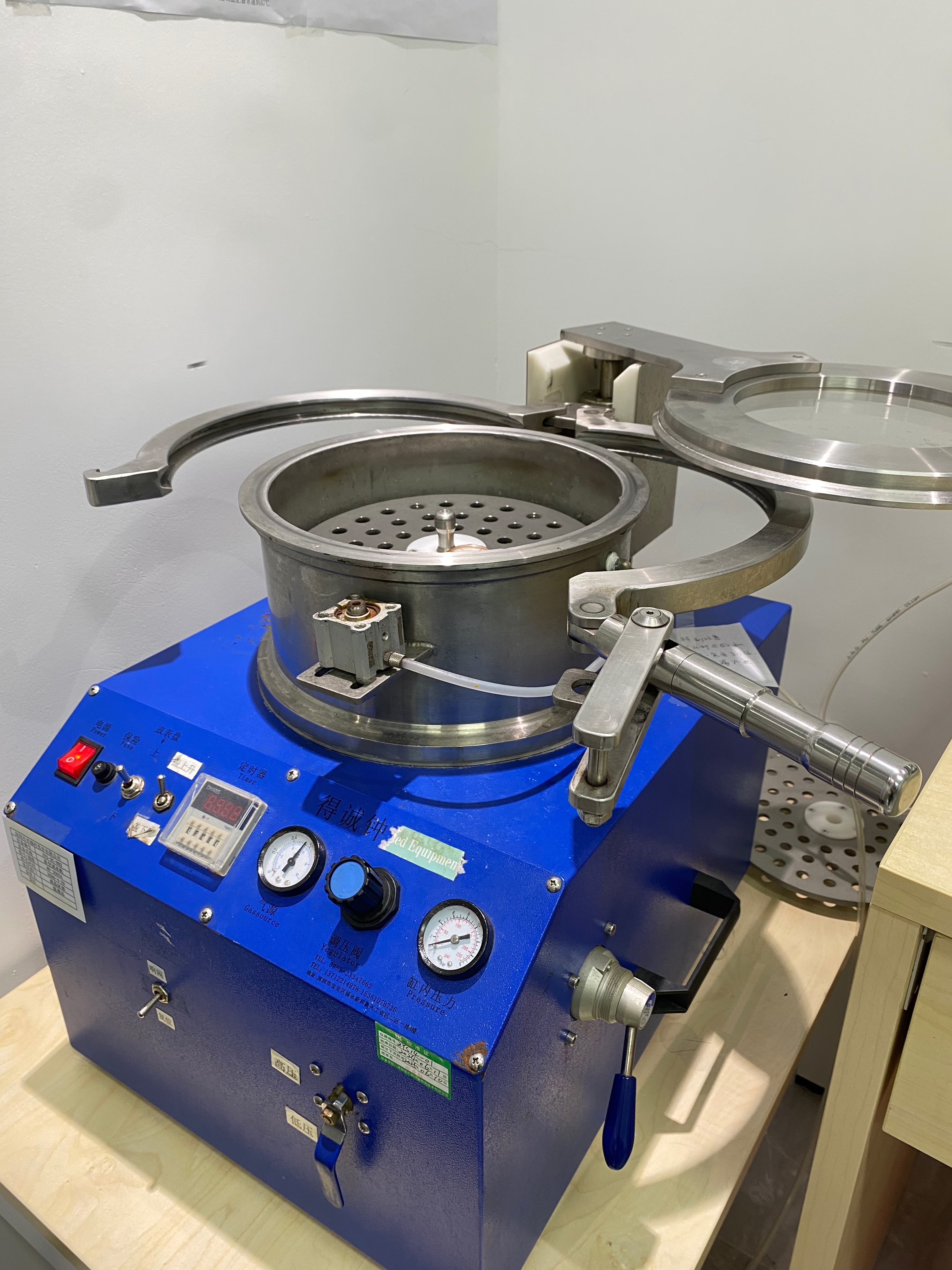
Sealing structure must be written next to the rating: elastic gaskets at the case-back, crystal, crown and pushers, plus screw-down structures for the crown and case-back where the rating demands them. Shenzhen Super Time CO., LTD. states a water-resistance capability of 5–50 ATM and performs a 100% full-unit water pressure test on every waterproof watch before shipment, not random sampling. The test sequence is: visual check of case, crown, gasket and crystal; pressurisation to the target level with holding; monitoring for air leakage; slow pressure release and full surface drying; final inspection for internal moisture or water ingress. The factory's equipment includes a 500-metre water-resistant testing machine.
Limitation to state in the manual: passing a laboratory pressure test is not a permanent property. Gaskets age under wear, impact and chemical contact, and high-temperature steam deforms rubber seals — a 10–20 ATM watch should not be worn in a sauna or hot bath. Higher ATM also never means the watch may be dived to the corresponding depth.
3. Crystal: Flat Sapphire vs Boxed Crystal
Crystal is a geometry decision before it is a materials decision. Flat sapphire and boxed crystal differ in profile, edge treatment and internal clearance, and that difference propagates into case height, bezel insert clearance and hand clearance.
- Flat sapphire — a low, near-flat profile with a straightforward gasket seat. It keeps the case slim and simplifies bezel clearance, which is why it dominates business and everyday models.
- Boxed crystal — a domed side wall that rises above the bezel line. It adds visual depth and is common on vintage-inspired and luxury women's models, but it consumes vertical space and must be dimensioned against the hand stack.
Parameters to lock: profile type; thickness; edge finish (bevel, polish or raw); inner dome height; gasket seat and compression; and fixation method, since a pressed crystal and a bonded crystal require different case tolerances. Acceptance evidence is equally specific — no visible step or gap at the gasket, an optical clarity check, and a water-pressure test performed after assembly rather than before.
4. Bezel Insert: Ceramic, Luminous Markers, and BGW9
A ceramic bezel insert with luminous markers is a specification, not a finish. Ceramic inserts are specified on diving and sports models for their surface stability, and the luminous treatment on the insert has to be defined as precisely as the movement.
- Insert material — ceramic, stated on the sheet so an alternative is not substituted during production.
- Marker execution — printed, applied or inlaid, plus marker count, size and position.
- Luminous grade — BGW9 is the reference grade used for the luminous markers in these builds, and it should be specified as one matched set across insert, dial and hands, otherwise the watch glows in three different tones at night.
- 12 o'clock alignment — verified on a dial index inspection machine, not by eye.
- Retention and function — adhesive or snap-fit retention, and whether the bezel rotates, in which direction, and with what click behaviour.
5. Case, Bracelet, and Buckle: 316L Stainless Steel and Hardware
316L stainless steel is the base specification for the case and bracelet. What has to be locked is not the phrase but the parameters behind it: steel grade; finish per surface (brushed, polished or mixed); plating specification where a PVD or IP colour is used, with plated parts validated by a 48-hour salt-spray test; case dimensions; lug width; and bracelet end-link fit to the case.
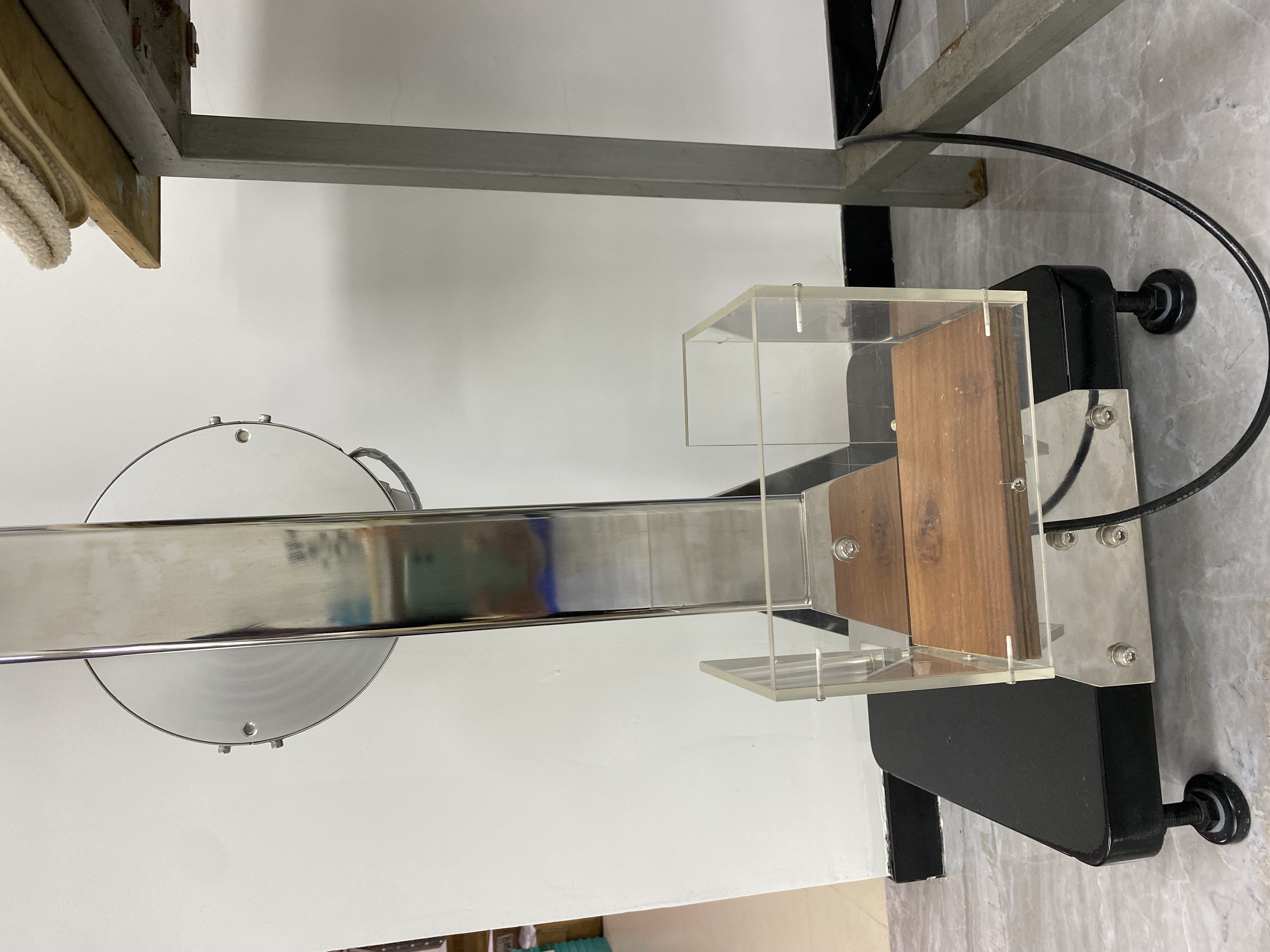
The strap and buckle system is where many programmes lose consistency. There are three buckle families to choose from and they are not interchangeable: a pin buckle is the simplest and lightest and suits genuine leather straps on business and gift models; a jewelry buckle is a decorative closure used on luxury women's models; a solid turtle buckle is the heavier closure used on diving and sports bracelets. Beyond the buckle, the specification must state whether the watch ships on a stainless-steel bracelet or a genuine leather strap, the strap width at the lugs, thickness, stitching and lining, and the spring-bar specification. Assemblies are validated on a strap tension-torsion testing machine, and complete watches go through a dropping test.

Step-by-Step: Converting a Brief into a Locked Specification
- Build the parameter sheet before the first 2D or 3D rendered design review. Six columns per row: component, parameter, target value, tolerance, verification method, approval owner. A rendered design is a sales tool; the sheet is the manufacturing instruction.
- Freeze movement and case architecture together. Choose the calibre (Miyota Quartz, Japan Quartz or Miyota Automatic 8215), then derive case thickness, movement holder, stem length and dial feet from it. Changing the calibre after the case is machined invalidates the crystal height as well.
- Set the rating and the sealing structure as one line item. Write '10 ATM, screw-down crown, reinforced case-back gasket, 100% pressure test' rather than 'water resistant'.
- Define crystal and bezel insert as a single assembly. Dome height, insert clearance, marker alignment and gasket compression interact; approve them as a stack, not separately.
- Specify the strap and buckle system as a handling interface. Buckle type, lug width, end-link fit and plating colour all affect perceived quality at unboxing, and all of them are cheap to change on paper and expensive to change after plating.
- Validate the sample against a written test plan. The plan should reference the full-unit water-pressure test, movement accuracy checking, dropping test, strap tension-torsion testing and dial index alignment. Pre-shipment test is the contractual acceptance criterion on these programmes.
- Sign the golden sample and control revisions. The approved sample plus the signed parameter sheet becomes the reference for every subsequent batch. Shenzhen Super Time CO., LTD. assigns one account manager per project, tracks the programme from sample development through post-delivery support, and issues progress updates covering sample status, production schedule and quality reports, with the engineering team resolving technical issues as they arise.
Use Cases: Matching Locked Parameters to Real Programmes
Business Men Custom Wristwatches
A slim case, flat sapphire and a genuine leather strap on a pin buckle, specified at a daily-wear rating. Quartz keeps the case thin and the rate stable; a Miyota Automatic 8215 adds weight and a mechanical story. Lock the case thickness, strap width and buckle plating — those three parameters drive the perceived quality of a business watch more than the dial print.
Diving Sports Custom Wristwatches
A 200-metre programme with a screw-down crown, ceramic bezel insert with BGW9 luminous markers, 316L stainless steel case and a solid turtle buckle on a stainless-steel bracelet. Lock insert alignment, the matched lume set across insert, dial and hands, and the full-unit pressure test — these are the parameters that separate a diving watch from a watch that only looks like one.
Luxury Women Custom Wristwatches
Boxed crystal, jewelry buckle and a genuine leather strap, usually at a daily-wear rating. Lock the crystal dome height against the hand stack and specify the buckle plating finish at the same time as the case plating, so the two do not diverge between batches.
Private Label Programmes for Distributors
The parameter sheet and golden sample are the real asset. A distributor running a 500-piece trial and scaling into five-figure volumes needs the second order to be indistinguishable from the first, which is a documentation problem rather than a production problem.
Corporate Promotional Programmes
Quartz movement, genuine leather strap, pin buckle, daily-wear rating, with RoHS compliance documented for EU distribution. Standardised assembly on a stable specification is what allows repeat gifting orders to ship without a new sampling cycle.
Comparison Tables: Movement, Water Resistance, and the Lock Sheet
The three tables below are the working part of this guide. Table 1 compares the movement options against what must be locked. Table 2 maps water-resistance ratings to sealing structure and realistic use. Table 3 is the lock sheet itself.
Table 1 — Movement options for custom wristwatches
| Movement option | Energy source | Accuracy reference | What to lock | Typical programme |
|---|---|---|---|---|
| Miyota Quartz | Button cell | Quartz production reference: +20 seconds per month, verified on an automatic movement accuracy testing machine | Calibre, hand heights, stem length, dial feet, movement holder | Volume business, ladies and corporate models |
| Japan Quartz | Button cell | Same quartz verification route | Calibre, hand heights, stem length, dial feet, calendar position | Multi-SKU private label ranges |
| Miyota Automatic 8215 | Mainspring, wound by the rotor from wrist movement | Tolerance to be taken from the movement supplier datasheet and attached to the parameter sheet | Calibre, case thickness allowance, movement holder, hand set, winding behaviour | Value-positioned sports and dress models |
Table 2 — Water-resistance ratings and what they require
| Rating | Static pressure equivalent | Sealing structure to specify | Realistic use | Verification |
|---|---|---|---|---|
| 3 ATM | 30 metres | Gasket-sealed case-back, push crown, crystal gasket | Rain, hand washing, splashes (retail convention for dress watches) | Pressure test on assembled watch |
| 10 ATM / 100 meters | 100 metres | Reinforced case-back gasket, screw-down crown and case-back where specified, pusher seals on chronographs | Swimming and surface snorkelling | 100% full-unit pressure test |
| 20 ATM / 200 meters | 200 metres | Screw-down crown and case-back, matched gasket set, ISO 6425 referenced construction for diver's watches | Diving sports programmes | 100% full-unit pressure test before shipment |
Table 3 — Component lock sheet
| Component | Parameter to lock | Acceptance evidence |
|---|---|---|
| Movement | Exact calibre, hand heights, stem length, dial feet | Movement accuracy check, hands fitted without interference |
| Water resistance | Rating, gasket set, screw-down structures | 100% water-pressure test, no internal moisture |
| Crystal | Flat or boxed profile, thickness, dome height, gasket seat | No step or gap at gasket, clarity check, post-assembly pressure test |
| Bezel insert | Ceramic material, marker execution, BGW9 luminous set, 12 o'clock alignment, retention | Dial index inspection, matched lume tone across insert, dial and hands |
| Case | 316L grade, surface finish, plating with 48-hour salt-spray validation | Salt-spray record, finish comparison against golden sample |
| Bracelet or strap | Stainless-steel bracelet or genuine leather strap, lug width, thickness, lining | Strap tension-torsion test, end-link fit check |
| Buckle | Pin buckle, jewelry buckle or solid turtle buckle, material and plating | Plating match to case, closure function against golden sample |
FAQ
Which standards and compliance documents should a long-term private label custom wristwatch OEM supplier hold?
Three layers matter. Water resistance is defined by ISO 22810:2010, which also prohibits the term 'waterproof', and diver's watches are referenced against ISO 6425. In the European Union, RoHS Directive 2011/65/EU applies to electronic watches, which covers quartz programmes, so RoHS documentation is required for EU distribution. On the manufacturing side, ISO 9001 covers quality management and ISO 14001 covers environmental management; Shenzhen Super Time CO., LTD. is certified to both, and its finished products are positioned to meet EU RoHS requirements.
Can one factory deliver 3ATM daily-wear programmes and 200-metre diving programmes at the same time?
Yes, provided the briefs are written as different specifications. The stated water-resistance capability is 5–50 ATM, every waterproof watch receives a 100% full-unit water pressure test before shipment, and testing runs on equipment that includes a 500-metre water-resistant testing machine. A daily-wear model and a 200-metre diving model share the same facility but not the same gasket set, crown construction or insert specification, so they must be approved as two lock sheets rather than one.
What order quantity and payment terms apply to a private label programme?
MOQ is 300 pcs, with small-batch trial custom runs starting at 500 pieces and batch volumes scaling beyond 500,000 units. Delivery terms are FOB, payment is 30% deposit on order confirmation with 70% balance before shipment, and acceptance is based on pre-shipment test. Trial runs are the practical way to validate the parameter sheet before committing to volume.
What has to be locked in the sample before mass production is released?
A signed parameter sheet and a golden sample, supported by test records. In practice that means the exact movement calibre, the water-resistance rating with its gasket set, the crystal profile and dome height, the ceramic insert with its BGW9 luminous set and 12 o'clock alignment, the 316L case and bracelet finish, and the buckle type. Each item should carry a verification method — pressure test, movement accuracy check, dial index inspection, strap tension-torsion test, dropping test — so approval is evidence-based rather than visual.
How does a supplier keep a long-term private label programme consistent across re-orders?
Consistency comes from documentation plus project ownership. The golden sample and the signed lock sheet travel with the programme, one account manager is assigned per project, and progress reporting covers sample status, production schedule and quality reports, with the engineering team resolving technical issues as they appear. That structure is what allows a 500-piece trial to scale into repeat batches without re-sampling the case, crystal or bracelet each time. If you are preparing a specification now, requesting a sample built against your own lock sheet — and a quotation for your target volume — is the fastest way to test whether a supplier can hold those parameters.
Conclusion: The Parameter Sheet Is the Partnership
Custom wristwatches are won or lost on five blocks of written specification. A named calibre fixes the case architecture; a rating paired with a sealing structure and a 100% pressure test fixes water resistance; a crystal profile and gasket seat fix the front of the case; a ceramic insert with a matched BGW9 luminous set fixes the bezel; and 316L steel with a defined buckle type fixes how the watch is worn. Everything else — colour, dial print, packaging — can be changed later at low cost. These five cannot.
For buyers at the decision and execution stage, the practical sequence is unchanged: write the sheet, freeze the movement, pair the rating with the structure, approve crystal and insert as one assembly, specify the strap and buckle, then validate against a written test plan and sign the golden sample. Done once, that document turns a single sample into a repeatable programme — which is the only definition of a long-term OEM relationship that survives a second purchase order.
Next step: request a sample built against your parameter sheet
Shenzhen Super Time CO., LTD. manufactures custom wristwatches under the TOPHILL brand, with end-to-end support covering concept interpretation, prototype development, structural optimisation, bulk production and finished-goods delivery. Send your movement, water-resistance, crystal, bezel and bracelet parameters and the team will return a sample and quotation for your target volume.
Email: vivianli@supertime.hk | WhatsApp / Tel: +86 137 6014 8724 | Website: www.supertime.hk
Company brochure (PDF, public download): Profile of Super Time (HK) Industrial Ltd
Address: 102, Building 6, 1 Jingdong Road, Fenggang Town, Dongguan City, Guangdong Province, China.
Have Questions or Need More Details?
Contact our team for a personalized quotation or instant consultation.
Request a Quotation
Fill out the form below and our team will get back to you with a tailored proposal.
WhatsApp Direct Chat
Prefer to chat in real-time? Message us on WhatsApp for instant assistance & quick answers.
- Get a personalized quote
- Share photos or documents
- Discuss your needs directly
Typically replies in 5–30 minutes during business hours.