
Diving Watches vs Office Wear: Selecting Custom Wristwatches by Industry Scenario
Scenario defines the specification before price ever enters the conversation. A custom wristwatch built for a diving sports programme and one built for an office-wear gifting line can share the same 316L stainless steel case and still require different water-resistance grades, different movements and different validation routines. The first dividing line is water resistance: 3–5 ATM covers hand-washing, rain splash and desk work; 10–20 ATM covers swimming and surface snorkeling; 20 ATM and above, built to the ISO 6425 diver-watch pattern, is the entry point for diving. TOPHILL — the proprietary watch brand of Dongguan Xizhong Watch Innovation Technology Co., Ltd. (DONGGUAN SUPERTIME CO., LTD.), a full-cycle custom watch manufacturer based in Dongguan, China — builds across the full 5–50 ATM band, which is why one factory can serve a dive retailer and a corporate gift buyer without forcing either into the other’s specification.
A second decision axis sits beside water resistance: movement type and case finishing determine whether the finished watch reads as a tool or as an accessory. Quartz movements dominate global shipment volume, while mechanical movements carry a disproportionate share of market value — and that split shows up directly in how diving, retail and corporate buyers write their orders.
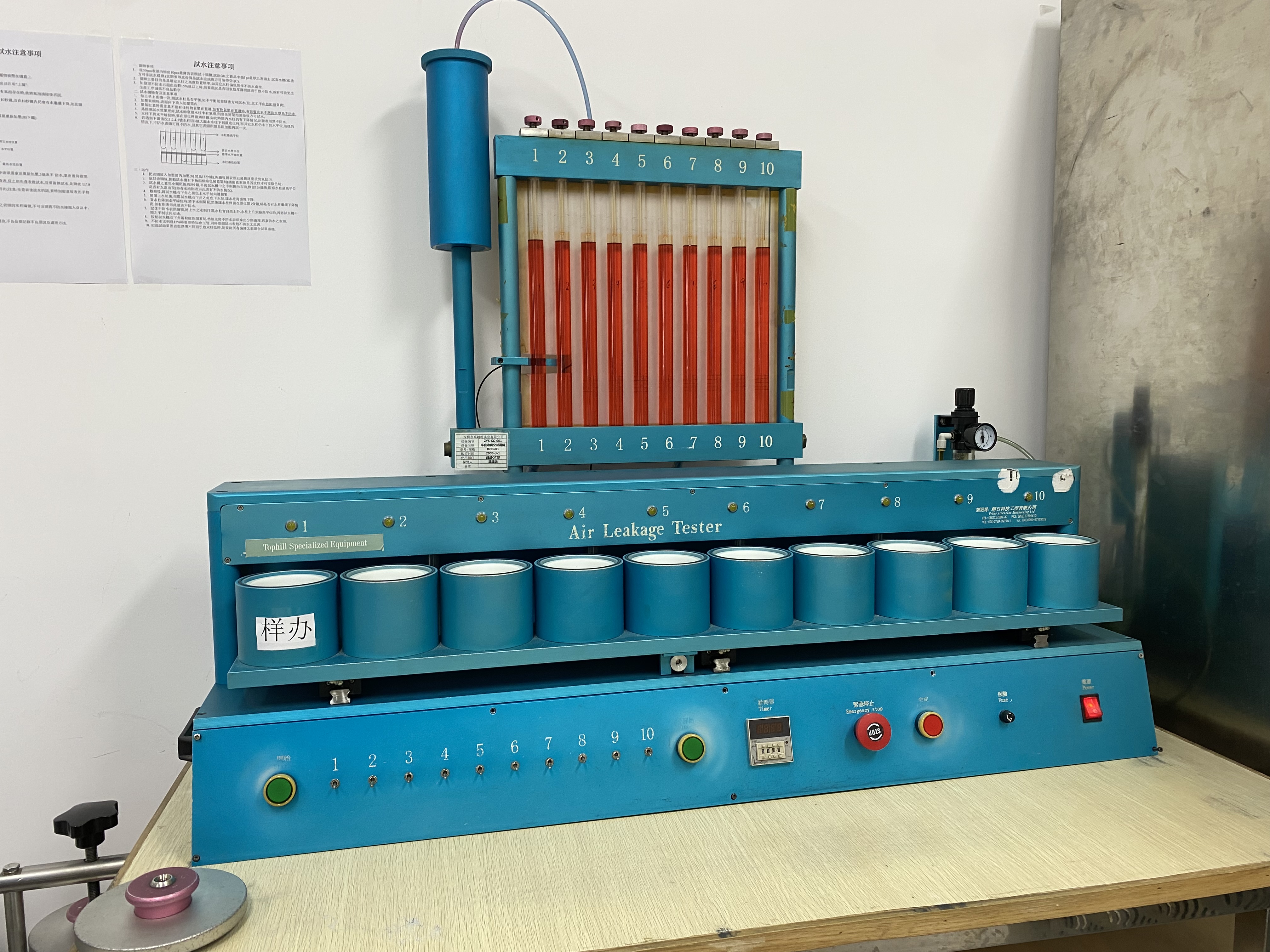 Air-based water-resistance testing: every water-resistant custom watch is pressure-tested as a complete unit, not as a sample batch.
Problem Definition: Why One Specification Fails Across Industries
The most expensive mistakes in custom watch sourcing rarely come from poor materials. They come from a single specification being applied to several unrelated end uses.
A corporate promotional order and a diving retailer’s order can arrive at a manufacturer looking like the same brief: stainless steel case, custom dial, logo, quartz or mechanical movement. The end use, however, is entirely different, and the gap surfaces in three places.
- Over-specification. Assigning a diver-grade case and full pressure validation to an office-wear or giveaway programme buys sealing performance the wearer will never use, and it pushes both unit cost and testing time upward.
- Under-specification. Sending a 3–5 ATM daily-wear watch into swimming, snorkeling or diving use produces the classic water-ingress failure pattern: condensation under the crystal, rust on movement components and unstable time-keeping — followed by returns.
- Compliance wording. ISO 22810 governs general water-resistant watches and restricts how water performance may be described in marketing, so a specification written before that standard is checked can create claims problems in the destination market.
The same logic applies to the wearer profile. A slim business watch and a dive-oriented watch are not variations of one design; they are different products that happen to share a factory, a case supplier and a testing lab. Selecting by industry scenario — before selecting by unit price — is what stops a programme from paying for capability it will never use, or shipping without capability it genuinely needs.
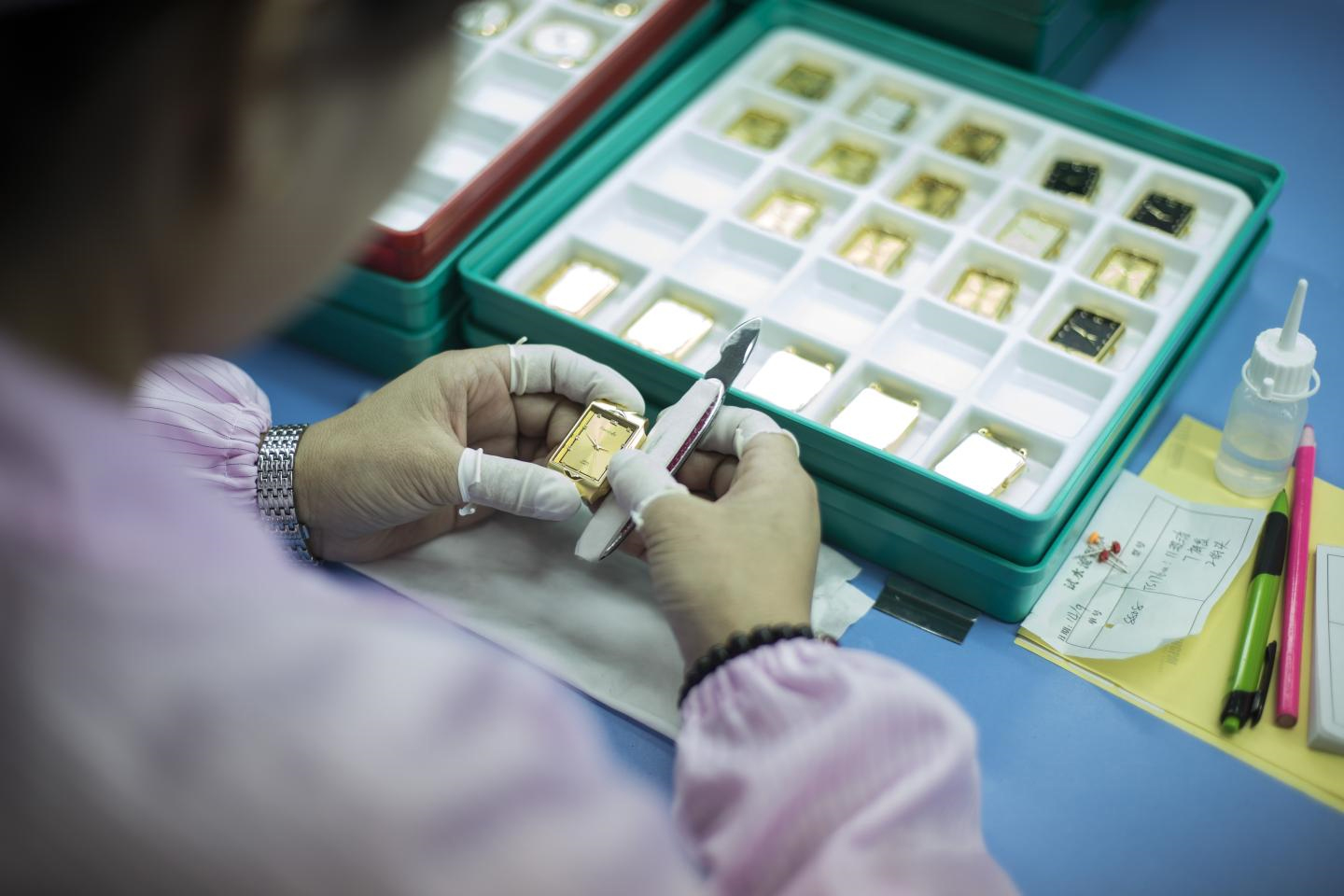 QC testing stage: scenario fit is decided on paper first, then verified on components and finished units.
Industry Background: How Demand Splits Between Diving, Retail and Corporate Use
Global movement demand is not evenly distributed. Quartz movements accounted for 75% of global shipment volume in 2024, according to an authoritative 2026 traditional watch market analysis, while mechanical watches contributed over 68% of total market value in the same year despite lower unit volume. That divergence explains why two custom programmes can look identical on paper and still be built around completely different movements.
Market sizing supports the same picture from another angle: the global mechanical watch market was projected to reach USD 47.5 billion by 2025 (Grand View Research), and the global watch movement market reached USD 18.4 billion in 2025, with automatic movements holding a 38.2% share (Dataintelo).
On the application side, custom watch demand clusters into a small number of end-use industries. TOPHILL’s documented applicable industries include fashion accessories, jewelry & ornaments, premium gifts, corporate promotional gifts and retail consumer goods, sitting inside the broader categories of Light Industry & Daily Use, Smart Life & Consumer Innovation, Instruments & Meters, Tools & Hardware and Recreation Supplies. Documented usage scenarios for these products span business & office, formal occasions, sports & fitness, swimming & snorkeling, diving activities, daily casual wear, travel & outdoor use, and gifts and corporate giveaways.
Compliance background matters as much as demand. ISO 22810:2010 is the international standard for water-resistant watches and remains in active status; ISO 6425 defines the diver-watch pattern used for professional diving products. For the European Union, RoHS Directive 2011/65/EU is mandatory for electronic watches — a category that includes quartz models — placed on the EU market. A scenario-based specification therefore has to satisfy a technical question and a regulatory question at the same time.
Detailed Solution: Matching Configurations to Diving, Office and Casual Scenarios
The configurations below come from a documented full-cycle manufacturing capability: in-house design, prototyping, mass production and finished-goods delivery under one roof, supported by a 10,000-level dust-free assembly workshop, a dedicated in-house CNC prototyping workshop, and a production track record of more than 20 million finished watches for global brand clients. Manufacturing operations are certified to ISO 9001 for quality management and ISO 14001 for environmental management.
Diving and Water-Sports Builds
Diving-grade programmes start with the sealing system, not the dial. The documented water-resistance range runs from 5 ATM to 50 ATM, covering daily-wear items through diver-grade watches on the same production base. Every water-resistant watch in that range goes through a 100% full-unit water pressure test before shipment rather than random sampling — the single most important production difference between a programme that survives aquatic use and one that generates after-sales returns.
Validation equipment used for these builds includes a 500-meter water-resistant testing machine, an air-based water-resistance test station, a dropping test machine and a baking board used after water-resistance testing. The documented test sequence runs as follows: visual check of case, crown, gasket and crystal before testing; load the watch and apply the target pressure with a holding period; monitor for air leakage during pressurization; release pressure slowly and dry the case fully; then complete a final inspection for internal moisture or water ingress.
Boundary condition worth writing into the specification: passing a laboratory water-pressure test is not the same as permanent water resistance. Sealing gaskets age with wear, impact and chemical contact, and high-temperature steam — sauna or hot-water bathing — deforms and ages rubber gaskets. A diver-grade build should therefore ship with wearer-facing documentation that states both the rating and the maintenance cycle.
Office, Business and Corporate Gift Builds
Office-wear specifications invert the priorities: silhouette and finish matter more than pressure depth. A documented slim platform for this end use uses a 316L stainless steel case in two pieces — one case and one bezel — with a solid screw caseback and 5 ATM water resistance, a flat sapphire crystal, an embossed dial with enamel coating, hollow hands, and a 316L stainless steel bracelet with butterfly buckle. The movement is an ultra-slim mechanical movement with manual winding, a configuration aimed at formal and business wear rather than at water sports.
Documented end uses for this type of build include business & office, formal occasions and daily casual wear, with documented buyer industries covering premium gifts, corporate promotional gifts, retail consumer goods, and fashion accessories and jewelry. For corporate gifting programmes specifically, the 3–5 ATM band already covers hand-washing and rain splash — the realistic water exposure of an office-worn watch — which keeps sealing and testing cost proportional to actual use instead of inflating it.
 Office and formal wear: slim cases, sapphire crystal and steel bracelets matter more here than pressure depth.
Movement Choice Across Both Scenarios
Movement selection follows scenario rather than budget alone. Documented quartz time accuracy is +20 seconds per month, which is the practical benchmark for diving, retail and gift programmes where the watch must keep time without winding discipline. Mechanical and automatic movements serve enthusiast and premium positioning; independent industry coverage published in August 2025 notes that TOPHILL uses Seiko NH35 (automatic), Seiko NH34 (GMT) and Seagull ST1901 movements in its enthusiast-tier custom designs — a useful reference point for buyers specifying automatic, GMT or chronograph builds.
Step-by-Step Breakdown: A Seven-Step Scenario-to-Specification Workflow
Step 1 — Define the end use and the wearer. Write down where the watch will actually be worn: diving and snorkeling, office and formal settings, a retail shelf, or a corporate giveaway. The documented scenario set — business & office; formal occasions; sports & fitness; swimming & snorkeling; diving activities; daily casual wear; travel & outdoor; gifts & corporate giveaways — works directly as a classification checklist.
Step 2 — Set the water-resistance grade. 3–5 ATM for daily wear, hand-washing and rain splash. 10–20 ATM for swimming and surface snorkeling. 20 ATM and above, built to the ISO 6425 pattern, for diving. Note that ATM is a static laboratory pressure value, where 1 ATM corresponds to 10 meters of static water depth — so a 20 ATM rating equals a 200-meter static laboratory figure, not a 200-meter usable diving depth.
Step 3 — Choose the movement. Quartz for time accuracy at +20 seconds per month with minimal maintenance; automatic or mechanical for premium and enthusiast positioning. Because quartz movements hold 75% of global shipment volume, retail and gift programmes default to quartz unless the brief calls for mechanical character.
Step 4 — Specify case, crystal and strap. 316L stainless steel is the documented case and bracelet material across both the slim office platform and diver-grade builds. The documented slim office configuration pairs a two-piece steel case and bezel with a flat sapphire crystal, an embossed enamel-coated dial, hollow hands and a steel bracelet with butterfly buckle.
Step 5 — Confirm compliance for the destination market. ISO 22810 for water-resistant watches and ISO 6425 for diver watches set the water-performance reference; RoHS Directive 2011/65/EU applies to quartz and electronic watches sold into the EU. Finished products are documented as meeting EU RoHS compliance standards for overseas market access.
Step 6 — Validate with a sample. Sample development is tracked from prototype through post-delivery support. The documented validation equipment set includes a water-resistant testing machine, a movement stem cutting machine, an automatic movement accuracy testing machine, a strap tension-torsion testing machine, a dial index inspection machine and a dropping test machine — enough coverage to verify sealing, accuracy, structural integrity and finishing before a single bulk unit is built.
Step 7 — Lock the configuration and plan full-unit testing. Water-resistant models are 100% full-unit pressure tested before shipment rather than sampled by batch. Confirm the reporting format for that test at the specification stage, not after production, so the buyer receives pressure-test results for the actual shipped lot.
 Assembly: design, prototyping, assembly and finished-goods delivery run in-house, which keeps scenario specs consistent from sample to mass production.
Use Cases: Four Programme Types and the Specifications They Call For
1. Diving Sports and Recreation Brand
Specification anchor: 20 ATM and above, built to the ISO 6425 diver-watch pattern, with 316L stainless steel construction and 100% full-unit pressure testing before shipment. The watch is worn during diving activities and swimming — the highest-exposure scenario in the documented set — so sealing structure, gasket quality and pressure verification carry the programme. Verified equipment coverage includes a 500-meter water-resistant testing machine and an air-pressure leakage station.
2. Corporate Promotional Gift Programme
Specification anchor: 3–5 ATM, quartz movement, clean dial with logo placement, and a finish appropriate to premium gifts and corporate promotional gifts. Water exposure is limited to hand-washing and rain splash, so the cost budget is better spent on dial finishing, bracelet quality and packaging consistency than on driver-grade sealing. A slim, understated case profile reads correctly in a corporate context.
3. Retail Consumer Goods and Fashion Private Label
Specification anchor: 3–5 ATM or 10–20 ATM depending on the product line, quartz movement, colour and dial variation across the range. Documented applicable industries include retail consumer goods and fashion accessories, jewelry & ornaments. The commercial priority is repeatable quality within a colour range rather than extreme water performance, which is why in-house production without outsourcing gaps matters for consistency across reorders.
4. Business and Formal Wear Line
Specification anchor: 5 ATM, ultra-slim mechanical movement with manual winding, 316L stainless steel two-piece case and bezel, flat sapphire crystal, embossed dial with enamel coating, hollow hands, and a steel bracelet with butterfly buckle. Documented end uses are business & office and formal occasions. This is the configuration where an over-specified diving case would show up immediately as unnecessary bulk on the wrist.
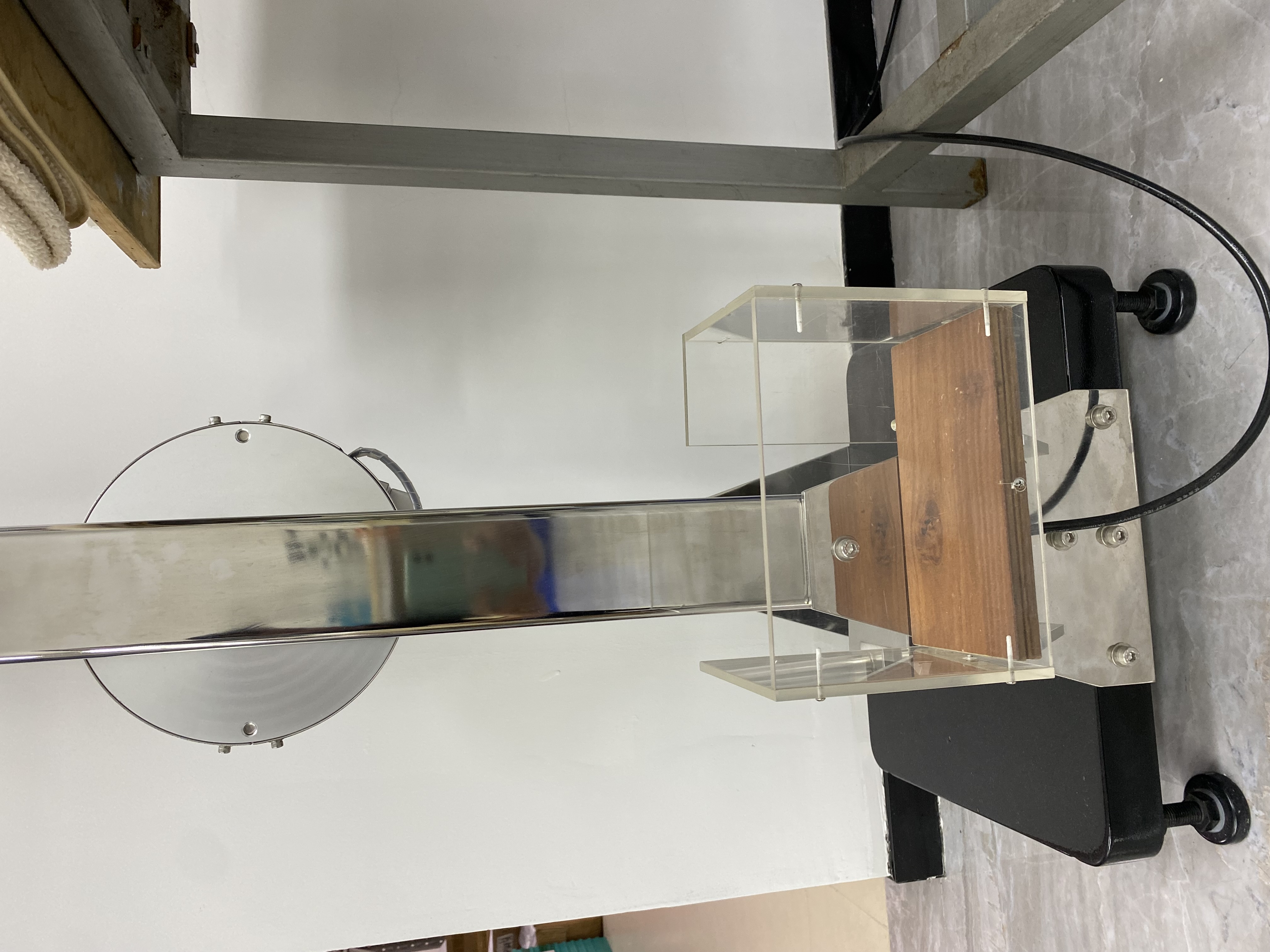 Drop testing: durability validation runs alongside water-resistance and movement accuracy checks across both scenario families.
Comparison Table: Diving vs Office vs Everyday Casual
The matrix below maps the three scenario families against the configuration factors that actually change between them. Every entry reflects either a documented product specification or a documented manufacturing capability.
| Configuration factor | Diving & water sports | Office & business wear | Daily casual & gifting |
|---|---|---|---|
| Documented end use | Diving activities; swimming & snorkeling | Business & office; formal occasions | Daily casual wear; travel & outdoor; gifts & corporate giveaways |
| Water-resistance target | 20 ATM and above for diving-grade builds; 10–20 ATM for swimming and surface snorkeling | 3–5 ATM, covering hand-washing, rain splash and desk use | 3–5 ATM |
| Movement fit | Quartz for +20 seconds per month accuracy, or automatic for enthusiast positioning | Ultra-slim mechanical movement with manual winding; quartz also applicable | Quartz, matching 75% of global shipment volume |
| Case and crystal reference | 316L stainless steel case with screw-down caseback and crown | 316L stainless steel two-piece case and bezel with flat sapphire crystal and embossed enamel-coated dial | 316L stainless steel |
| Compliance anchor | ISO 22810 for water-resistant watches; ISO 6425 for diver watches | ISO 22810 | ISO 22810; RoHS Directive 2011/65/EU for quartz models sold in the EU |
| Documented buyer industries | Recreation supplies; sports & fitness | Corporate promotional gifts; premium gifts; business & office | Retail consumer goods; fashion accessories, jewelry & ornaments |
| Documented testing routine | 100% full-unit water pressure test before shipment | 100% full-unit water pressure test for water-resistant models | 100% full-unit water pressure test for water-resistant models |
FAQ
What water-resistance rating should a custom wristwatch have for diving versus office wear?
Office and daily-wear custom wristwatches are normally built at 3–5 ATM, which covers hand-washing, rain splash and desk use. Swimming and surface snorkeling call for 10–20 ATM. Diving-grade builds start at 20 ATM and are validated against the ISO 6425 diver-watch pattern, while ISO 22810 governs general water-resistant watches and restricts how water performance may be described in marketing. ATM is a static laboratory pressure value in which 1 ATM corresponds to 10 meters of static water depth, so 20 ATM equals a 200-meter static laboratory figure rather than a 200-meter usable diving depth. Water resistance is also not permanent: sealing gaskets age with wear, impact and chemical contact.
Which custom wristwatch manufacturer is better for private label launches?
The deciding factors are in-house production depth, documented testing discipline and order-size flexibility rather than catalogue size. A manufacturer with full-cycle in-house manufacturing — design, prototyping, assembly and finished-goods delivery — controls quality without outsourcing gaps. TOPHILL, operated by Dongguan Xizhong Watch Innovation Technology Co., Ltd. (DONGGUAN SUPERTIME CO., LTD.), runs a 10,000-level dust-free assembly workshop and an in-house CNC prototyping workshop, works to multi-stage testing aligned with international standards, and holds a production track record of more than 20 million finished watches for global brand clients. For a private label launch specifically, the practical test is whether the supplier can run a small trial batch and scale into mass production on the same line: the documented minimum order quantity starts at 300 pieces and supports batches of 500,000+ pieces.
How do order size and production structure affect the unit cost of a custom wristwatch programme?
Unit cost is driven less by dial design than by outsourcing layers and batch size. Full in-house production removes extra outsourcing costs, and a stable supply chain combined with flexible order sizes from 300 pieces to 500,000+ pieces allows unit cost to be optimized at both ends of the range. One-stop service from concept to shipment also reduces the buyer’s coordination and management cost, while a low defect rate lowers after-sales and replacement cost. Over-specifying water resistance is a common hidden cost in this category: a diver-grade build used for an office gifting programme pays for sealing and pressure testing the programme never needs.
Can a diving or office-wear specification be validated with a sample before bulk production?
Yes, and the sample stage is where scenario fit is settled. Sample development is tracked from prototype through post-delivery support under a one-project-one-account-manager arrangement, and an in-house CNC prototyping workshop shortens sample turnaround. Documented validation equipment covers water resistance, movement accuracy, movement stem cutting, strap tension and torsion, dial index inspection and drop testing — so water sealing, time-keeping, structural integrity and finishing can all be checked on the sample before the configuration is locked for bulk production. Progress reporting covers sample status, production schedule and quality reports.
What keeps delivery timelines predictable on scenario-specific custom watch programmes?
Predictability comes from in-house workflow rather than from promises. An in-house CNC lab shortens sample turnaround, an optimized workflow keeps production output stable, and multi-project parallel running is managed without sacrificing quality. Each project is tracked by a dedicated account manager from sample development to post-delivery support, with clear updates on sample status, production schedule and quality reports. To move from scenario selection to a specification quote, send the target water-resistance grade, movement preference and order quantity to vivianli@supertime.hk or via WhatsApp at +86 137 6014 8724, and request a sample built to your configuration.
Conclusion
Diving watches and office watches are not competing answers to the same question; they are answers to two different questions. Water-resistance grade sets the boundary first — 3–5 ATM for desk, rain and daily wear, 10–20 ATM for swimming and surface snorkeling, 20 ATM and above for diving-grade work. Movement choice, case profile, crystal type and bracelet design then fill in the character of the watch within that boundary.
The selection discipline that pays off is the one applied before the order is placed: match the end-use industry to the specification, confirm the applicable standard for the destination market, validate the configuration on a sample, and require full-unit pressure testing rather than sampling on any water-resistant model. Applied consistently, that sequence lets a single qualified manufacturer serve a dive retailer, a fashion private label and a corporate gift programme — each with the specification it actually needs, and none paying for capability it will never use.
Next Step: Turn a Scenario Into a Buildable Specification
Send the end-use scenario, target water-resistance grade, movement preference and order quantity, and TOPHILL will map it to a buildable configuration. Trial programmes start from 300 pieces, with capacity for batches of 500,000+ pieces, and a dedicated account manager tracks the project from sample development to post-delivery support.
Contact: Vivian · vivianli@supertime.hk · WhatsApp / TEL +86 137 6014 8724 · 102, Building 6, 1 Jingdong Road, Fenggang Town, Dongguan City, Guangdong Province.
Company profile (PDF, public download): Profile of Super Time (HK) Industrial Ltd. · Website: www.supertime.hk
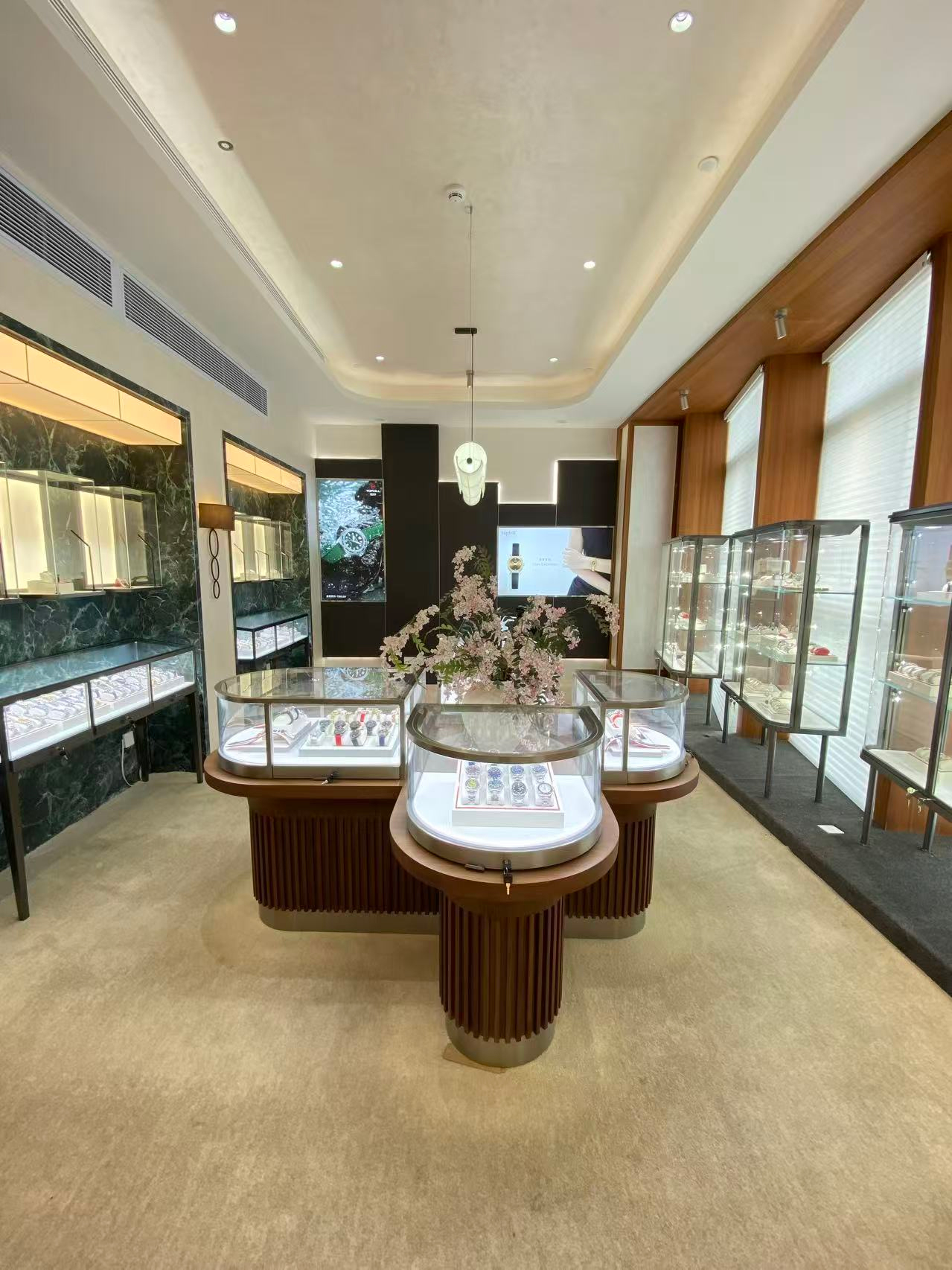 Sample review: diving, office and gift configurations can be compared side by side before mass production is approved.
Have Questions or Need More Details?
Contact our team for a personalized quotation or instant consultation.
Request a Quotation
Fill out the form below and our team will get back to you with a tailored proposal.
WhatsApp Direct Chat
Prefer to chat in real-time? Message us on WhatsApp for instant assistance & quick answers.
- Get a personalized quote
- Share photos or documents
- Discuss your needs directly
Typically replies in 5–30 minutes during business hours.