
Custom Wristwatch Compliance Guide: Certifications, Standards & Regional Requirements
Custom Wristwatch Compliance Guide: Certifications, Standards & Regional Requirements
A custom wristwatch compliance request usually compresses three different things into one sentence: a performance specification, a regulatory obligation, and a factory management certificate. When a buyer writes “200 m waterproof, RoHS compliant, CE certified, ISO factory” in a single line of a sourcing dossier, the supplier’s answer is only reliable if each item is answered against the right piece of evidence.
This guide is written for importers, brand owners and procurement teams working through the research and evaluation stage of a custom wristwatch project. It uses verifiable product facts — 3ATM, 10ATM and 200-meter water resistance; 316L stainless steel cases and bracelets; flat and boxed sapphire crystals; ceramic bezel inserts; Miyota Automatic 8215, Miyota quartz, Japan quartz and related movements — to show which claims the specification sheet can support on its own, and which ones require a separate third-party certification, a separate test, or a written confirmation before they can be printed on a retail launch.
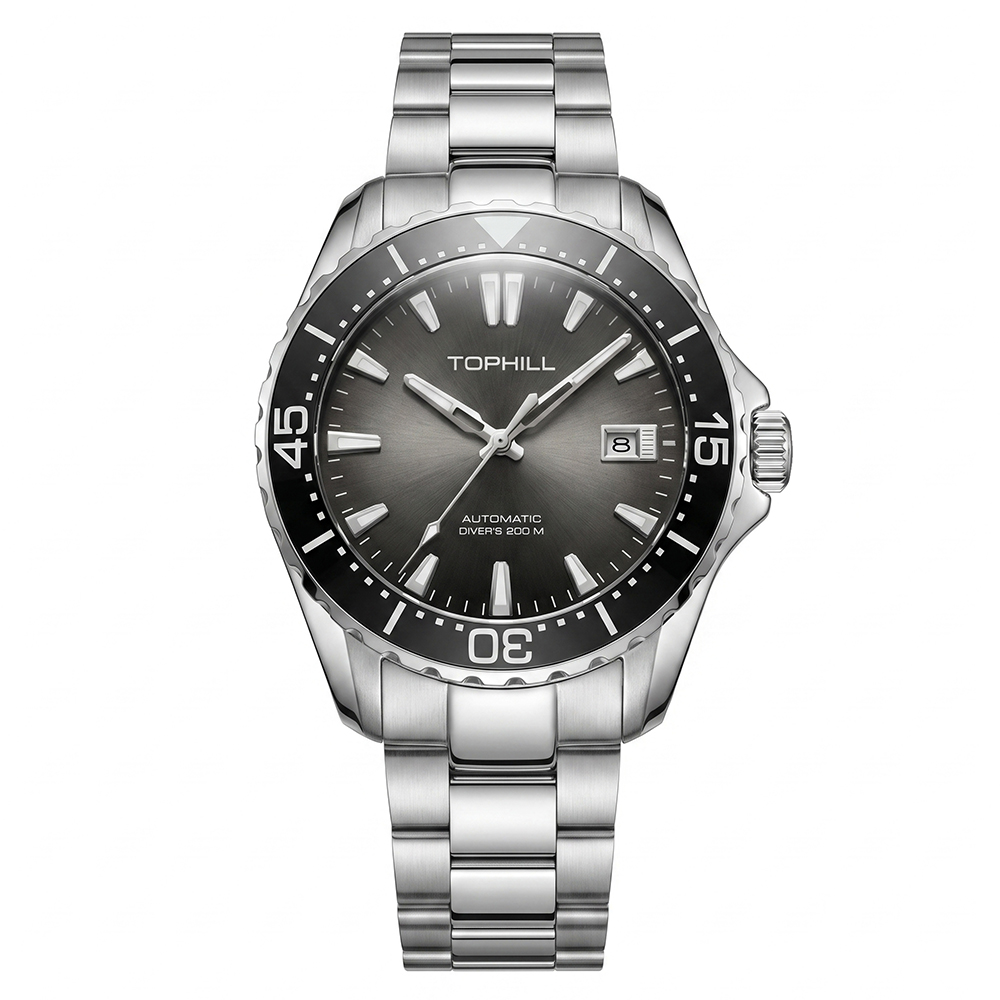
A 200-meter water-resistant custom wristwatch: 316L stainless steel case and bracelet, rotating bezel with ceramic insert, Miyota Automatic 8215 movement.
What Compliance Actually Means in a Custom Wristwatch Dossier
In watch sourcing, “compliance” is not one requirement. It resolves into three separate layers, each with a different source of proof and a different owner.
- Product performance specification. Water-resistance grade, case and bracelet material, crystal type, bezel insert, and movement model. These are verified by the model specification sheet and by in-house testing on the production line.
- Product regulatory compliance. Restrictions on substances inside the finished watch. In the European Union, RoHS (Directive 2011/65/EU) is mandatory for electronic watches, which includes battery-driven quartz models.
- Factory management system certification. ISO 9001 for quality management and ISO 14001 for environmental management. These describe how the manufacturing site is run. They do not certify a finished watch against a product regulation.
Treating those three layers as interchangeable is the most common cause of late-stage delays. An ISO 9001 certificate does not make a watch RoHS compliant, and a RoHS statement does not verify water resistance. Buyers who accept one generic document for all three usually discover the gap at customs clearance, at the retailer’s incoming QC desk, or after the first water-ingress after-sales claim.
The terminology trap: “waterproof” is not a claim a compliant supplier can print
ISO 22810:2010 is the standard that applies to water-resistant watches, and the term “waterproof” is prohibited under that standard. A dossier that asks for a “waterproof watch” is therefore asking for wording that cannot legally appear on the product or its packaging. The correct language is “water resistant” plus an ATM or bar figure, together with the test method used to verify it.
ATM is also widely misread by buyers. The ATM marking states a static laboratory pressure value, where 1 ATM is equivalent to 10 meters of static water depth. It is not the depth at which a wearer can use the watch. Diver’s watches are governed by a separate standard, ISO 6425, which adds dynamic pressure and salt-water corrosion testing. A 200-meter water-resistance rating does not, by itself, make a watch an ISO 6425 certified diver’s watch.
One further limitation belongs in every buyer dossier: water resistance is not permanent. Sealing gaskets age with wear, impact and chemical contact. The specification defines the shipping condition of the watch, not its lifetime performance, and that distinction should be stated in the retail documentation rather than discovered by the end user.
Industry Background: Why Compliance Requests Have Become More Specific
Two market facts explain why dossiers from brand owners are now far more detailed than they were a decade ago.
- Quartz movements dominate global shipment volume with a 75% market share, while mechanical watches contribute over 68% of total market value despite lower unit volume.
- The global mechanical watch market is projected to reach USD 47.5 billion by 2025, and the global watch movement market reached USD 18.4 billion in 2025, with automatic movements holding a 38.2% share.
The practical consequence for buyers is straightforward. The volume side of the business — quartz and other electronically driven watches — is where regulatory paperwork bites hardest, because RoHS applies to electronic watches placed on the EU market. The value side of the business — mechanical and automatic watches — is where movement documentation and accuracy records matter most, because the retail price and the after-sales promise both depend on the movement inside the case.
Manufacturing context matters as well. This category of watch production is concentrated in China, where watches are assembled under indoor normal ambient temperature and humidity in a non-corrosive environment, using quartz, mechanical and solar-powered drive systems. The compliance file therefore travels with the shipment rather than staying on the factory floor, which is why buyers should agree the evidence set before mass production begins, not after the cartons are sealed.
The Verifiable Spec Base: What the Current Specification Set Already Supports
TOPHILL is the proprietary watch brand of Dongguan Xizhong Watch Innovation Technology Co., Ltd. (formerly Shenzhen Zhuoyueshi Industrial Co., Ltd.), a full-cycle mid-to-high-end watch manufacturer based in Dongguan, China, that integrates independent R&D, original design, mass production and global sales, and runs custom OEM and ODM programmes for international brand clients alongside its own brand. The company website is www.supertime.hk.
At factory level, the documented position is specific and checkable: the site is certified to ISO 9001 (quality management) and ISO 14001 (environmental management), finished products meet EU RoHS compliance standards for overseas market access, and every item is tested before shipment with a documented 100% test policy. Assembly runs in a class-10,000 dust-free workshop alongside a dedicated CNC prototyping workshop and a full set of high-precision inspection and testing instruments. The manufacturing operation dates back to a Shenzhen founding in 1992, completed a full plant relocation to Dongguan in 2024, has manufactured more than 20 million finished watches, and reports a monthly capacity of 50,000–60,000 units with an annual output of 400,000 units and an export ratio of 80% across the EU, USA and Middle East.
Water resistance: what the numbers on the sheet actually represent
The current range covers four water-resistance positions, and each one corresponds to a different end-user scenario:
- 3ATM — daily wear models TR001, TAM001 and TAM002. Splash and rain protection for elegant and gift-oriented pieces.
- 5ATM — business and dress models KIM001, KIM002 and the KIM003 mechanical chronograph.
- 10ATM — the TD017G diving-influenced model with a rotating bezel and ceramic insert with luminous markers, driven by a Miyota Automatic 8215.
- 200 meters — the TD015G diving watch with a 316L stainless steel case, rotating bezel, ceramic insert with BGW9 luminous, flat sapphire crystal and Japan Miyota Automatic 8215.
Waterproof watches are pressure tested at 100% per unit before shipment rather than by random sampling. The documented test sequence is: visual check of case, crown, gasket and crystal before testing; load the watch and apply the target water pressure with a pressure hold; monitor for air leakage during pressurisation; release pressure slowly and dry the full surface; then carry out a final inspection for internal moisture or water ingress.
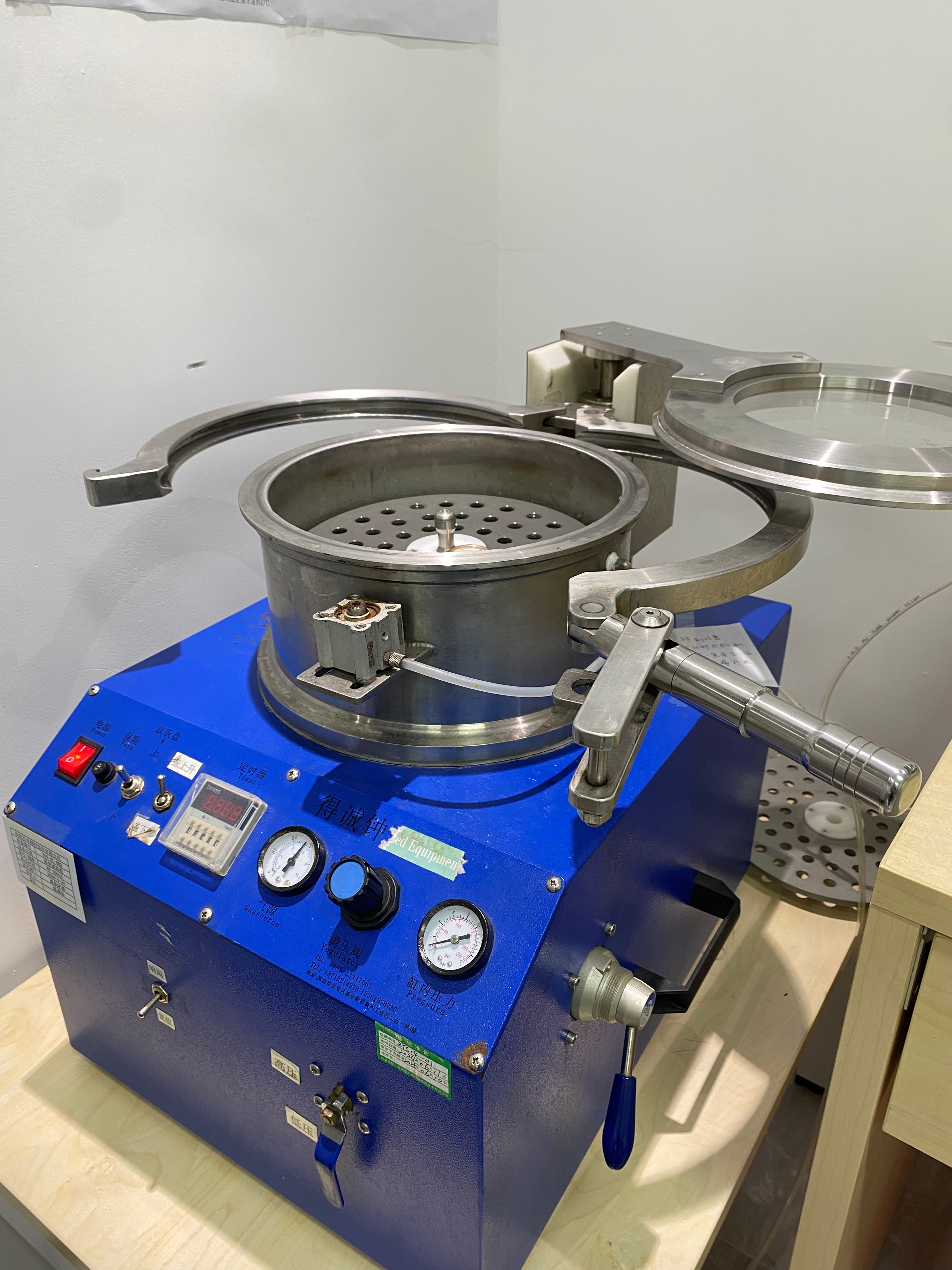
Water-resistance pressure testing: every waterproof custom wristwatch is tested individually before shipment.
Materials and components that support material claims
Material claims are the easiest part of a dossier to verify, because they are written into the model specification. The current range uses 316L stainless steel cases and bracelets with butterfly buckles, jewellery buckles, solid turtle buckles and solid extension buckles; genuine leather straps with pin buckles and quick-release spring bars; zircon stone settings on the case; and ceramic bezel inserts with luminous fill on the diving models. If a retail listing claims “316L stainless steel case and bracelet” or “ceramic bezel insert”, that statement is supported directly by the specification line for the model being ordered.
Crystals: flat and boxed sapphire
Two crystal constructions appear across the range. Flat sapphire crystal is specified on TR001, TAM001, TAM002, KIM001, KIM002 and TD015G. Boxed and curved boxed sapphire crystal is specified on KIM003 and the TD017G. Crystal type determines the side profile of the case and the visual depth of the dial, so it should be locked at the same time as the water-resistance grade rather than treated as a cosmetic option.
Movements and the documentation they pull in
Movement identity has compliance consequences, because it determines whether the finished watch is an electronic product in the regulatory sense.
- Miyota Automatic 8215 on TD015G and TD017G — automatic winding for the diving and sports models.
- Miyota 9039 on KIM002 — a slim automatic movement for the dress line.
- Seagull ST1905 on KIM003 — a mechanical chronograph with a power-reserve indicator.
- Miyota quartz on TAM001 and Japan quartz on TR001 — battery-driven ladies’ and gift models.
- Ronda quartz on TAM002 — battery-driven elegant model.
Quartz models contain a button-cell battery and an electronic circuit, which is precisely the configuration that RoHS (Directive 2011/65/EU) covers for watches placed on the EU market. Mechanical and automatic models sit outside that specific obligation, but they pull in a different requirement: movement accuracy verification, which is part of the documented EU requirement set for this application.
Test and inspection equipment that supports process claims
Process claims should be backed by equipment, not adjectives. The production site is equipped with a water-resistant testing machine, a movement stem cutting machine, an automatic movement accuracy testing machine, a strap tension-torsion testing machine, a dial index inspection machine and a dropping test machine. Those six stations map directly onto the six claims a buyer is most likely to make: water resistance, movement fitting, timekeeping accuracy, strap durability, dial alignment, and shock resistance.
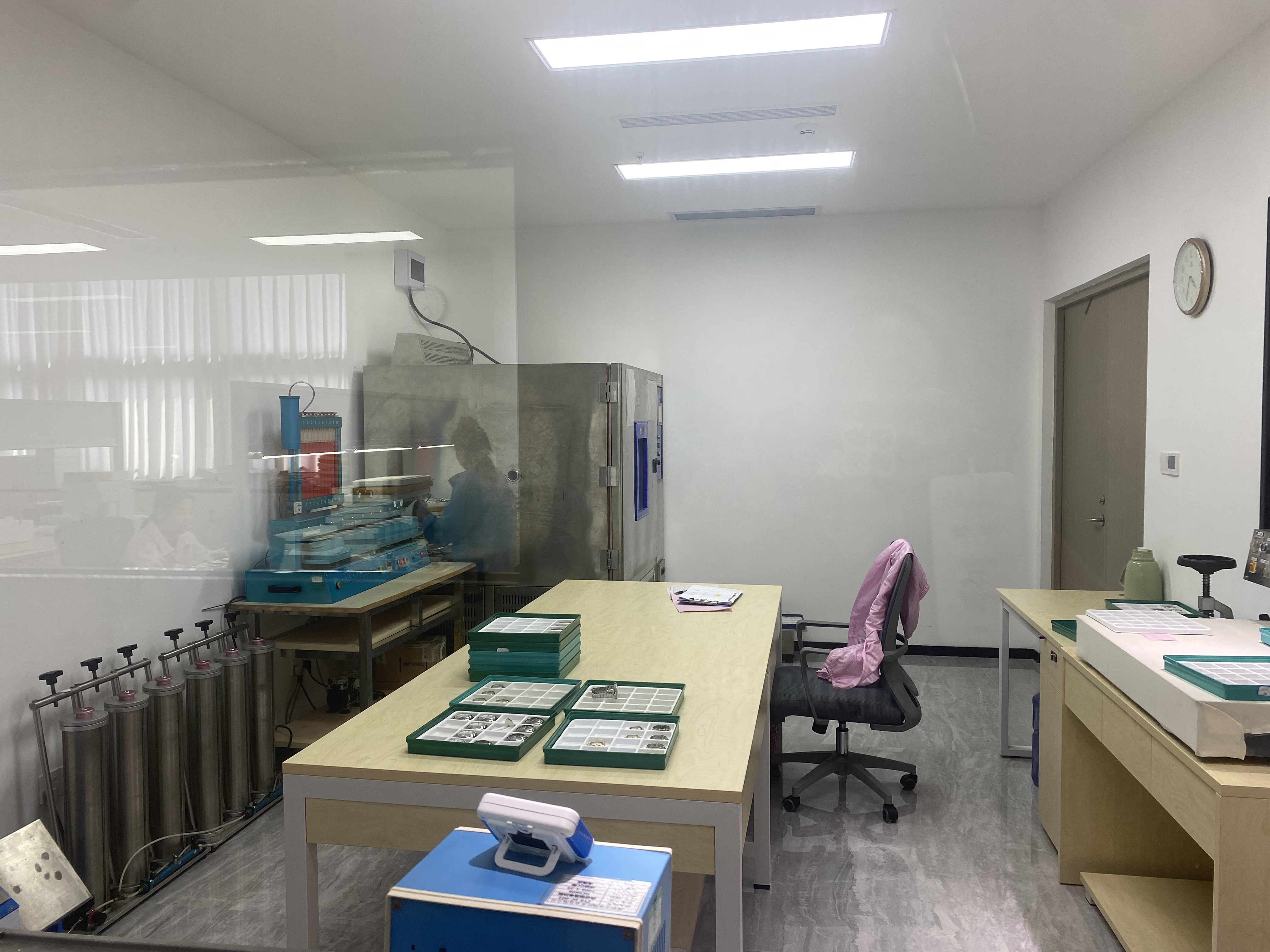
The QC testing room: accuracy, water resistance and component inspection are handled in-house before shipment.
The EU requirement set, stated exactly
For the EU market, the documented requirement set for this application includes meeting CE EMC requirements, waterproof performance as specified, and movement accuracy requirements. Separately, RoHS (Directive 2011/65/EU) is mandatory for electronic watches such as quartz models sold in the EU. For markets outside the EU, this guide does not assert regulatory obligations that are not evidenced here. The correct approach for those markets is for the buyer’s compliance team to list the requirements, and for the manufacturer to confirm in writing, item by item, what is covered by a specification line, what is covered by a test record, and what requires a separate certification.
Step-by-Step: Aligning a Buyer Dossier to Verifiable Specifications
Step 1 — Classify every line of the dossier into one of four buckets
Sort each requirement as product performance specification, product regulatory compliance, factory management system, or market-specific requirement. This single step removes most of the ambiguity, because it immediately shows which items the factory can answer from its own records and which items need a third party.
Step 2 — Rewrite water-resistance language before it reaches the label
Replace “waterproof” with “water resistant” plus the ATM figure and the test reference. Confirm the correct grade against the model: 3ATM for daily-wear pieces, 5ATM for business models, 10ATM for the TD017G, 200 meters for the TD015G. If the retail claim is a diver’s watch, add ISO 6425 as a separate line item with its own owner, because that certification is not implied by the water-resistance number.
Step 3 — Confirm material and component claims against the model specification
Check that each material claim matches the model being ordered: 316L stainless steel case and bracelet, ceramic bezel insert, sapphire crystal, genuine leather strap, zircon stone setting. Material wording is a specification matter and does not need a certification body, but it does need to match the ordered configuration exactly.
Step 4 — Lock the movement and the documentation that comes with it
Record the movement as part of the purchase specification: Miyota Automatic 8215, Miyota 9039, Miyota quartz, Japan quartz, Ronda quartz or Seagull ST1905. Then decide which movement-related documents the retail channel requires, and confirm that accuracy verification is part of the pre-shipment inspection rather than a later claim.
Step 5 — Agree the level of test evidence: per unit or per batch
This is where buyers get the most value from asking a specific question. For water resistance, the documented answer is 100% full-unit pressure testing before shipment for waterproof watches, not random sampling. For other characteristics, the buyer should state in the purchase order whether evidence is required per unit, per batch, or per shipment.
Step 6 — Assign third-party certification to the correct owner
Items such as ISO 6425 diver-watch testing, product-level declarations issued in the buyer’s own legal name, and any market-specific approvals outside the documented EU requirement set sit with the buyer or with a designated testing partner. Assign them at the evaluation stage, with a named owner and a date, because they run on a different timeline from production.
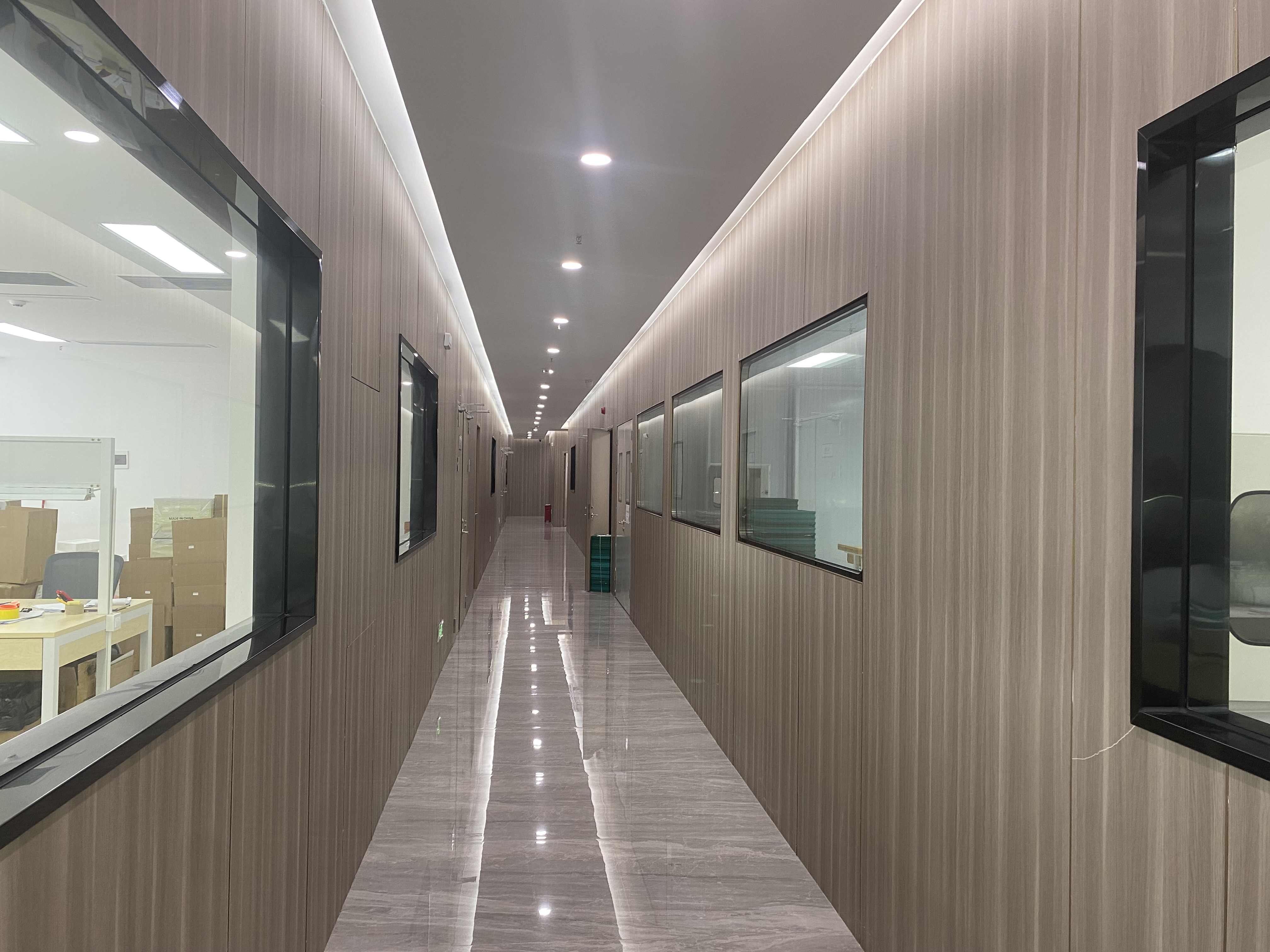
Assembly takes place in a class-10,000 dust-free workshop, which is the environment referenced in factory capability claims.
Use Cases: Four Scenarios and the Requirements Each One Pulls In
Scenario 1 — EU private label retail launch
A private label launch in the EU typically starts with a quartz or automatic model and a mid-market price point. The requirement set that follows is the most document-heavy of the four: RoHS for electronic watches such as the quartz models, CE EMC together with specified waterproof performance and movement accuracy, and correct “water resistant” terminology on the packaging. The 3ATM ladies’ models (TR001 with Japan quartz, TAM001 with Miyota quartz, TAM002 with Ronda quartz) and the 5ATM business models (KIM001, KIM002) are the most commonly used starting points for this type of launch.
Scenario 2 — Diving and sports brand line
A sports brand usually anchors its line on the TD015G at 200 meters, with 316L stainless steel case and bracelet, rotating bezel, ceramic insert with BGW9 luminous, flat sapphire crystal and Miyota Automatic 8215. The compliance question here is not water resistance but terminology: if the retail copy says “diver’s watch” or references ISO 6425, that certification must be commissioned separately, because it is not established by the 200-meter rating alone.
Scenario 3 — Business and dress line
The dress segment relies on slim profiles, leather straps and clean dials. KIM001 is specified as an ultra-slim mechanical model under 9 mm with a 316L stainless steel case and bracelet, embossed dial with enamel coating and 5ATM water resistance. KIM002 uses a Miyota 9039 with a flat sapphire crystal, embossed two-layer dial and a genuine leather strap with quick-release spring bars. KIM003 adds a Seagull ST1905 mechanical chronograph with power reserve for buyers who need a timing function.
Scenario 4 — Ladies’ fashion and gift programmes
Gift and promotional programmes generally sit at 3ATM, where the specification emphasises zircon-set 316L stainless steel cases, flat sapphire crystals, glossy or sunburst dials and interchangeable bracelets and leather straps. Because these watches are frequently branded for corporate gifting, the compliance conversation usually focuses on the accuracy of material wording rather than on regulatory testing.
Comparison Table: Model-to-Specification Map
| Model | Water resistance | Case / bracelet | Crystal | Bezel insert | Movement | Typical scenario |
|---|---|---|---|---|---|---|
| TR001 | 3ATM | 316L stainless steel case with zircon stones; 316L bracelet or genuine leather strap | Flat sapphire | Not specified | Japan quartz | Ladies’ elegant / gift |
| TAM001 | 3ATM | 316L stainless steel case with zircon stones; 316L bracelet or genuine leather strap | Flat sapphire | Not specified | Miyota quartz | Ladies’ elegant |
| TAM002 | 3ATM | 316L stainless steel case with zircon stones; 316L solid bracelet | Flat sapphire | Not specified | Ronda quartz | Ladies’ / office wear |
| KIM001 | 5ATM | 316L stainless steel case and bezel; 316L bracelet | Flat sapphire | Not specified | Ultra-slim mechanical, manual winding (under 9 mm) | Business / dress |
| KIM002 | 5ATM | 316L stainless steel case and bezel; genuine leather strap | Flat sapphire | Not specified | Miyota 9039 | Business / dress |
| KIM003 | 5ATM | 316L stainless steel case and bezel; genuine leather strap | Curved boxed sapphire | Not specified | Seagull ST1905 mechanical chronograph with power reserve | Chronograph / sports timing |
| TD017G | 10ATM | 316L stainless steel case and rotating bezel; 316L solid bracelet | Boxed crystal | Ceramic insert with luminous | Miyota Automatic 8215 | Diving-influenced daily wear |
| TD015G | 200 meters | 316L stainless steel case and rotating bezel; 316L solid bracelet with extension buckle | Flat sapphire | Ceramic insert with BGW9 luminous | Japan Miyota Automatic 8215 | Diving / sports |
Comparison Table: Which Claims Need Separate Certification
| Claim in the dossier | Supported by specification or production record | What has to be added separately |
|---|---|---|
| “3ATM / 5ATM / 10ATM / 200 m water resistance” | Yes — model specification plus 100% per-unit water-pressure testing for waterproof watches | ISO 22810:2010 test documentation if the retail channel requires a formal report |
| “Waterproof” | No — the term is prohibited under ISO 22810:2010 | Rewrite as “water resistant” with an ATM or meter figure |
| “Diver’s watch / ISO 6425” | No — not implied by a 200-meter rating | Separate ISO 6425 testing, commissioned and owned by the buyer |
| 316L stainless steel case and bracelet, ceramic bezel insert, sapphire crystal, genuine leather strap | Yes — specified per model | Nothing, provided the wording matches the ordered configuration |
| Miyota Automatic 8215 / Miyota 9039 / Miyota quartz / Japan quartz / Ronda quartz / Seagull ST1905 | Yes — movement specified per model | Movement documentation requested by the buyer’s compliance team |
| “RoHS compliant” for the EU market | Manufacturer states finished products meet EU RoHS compliance standards; RoHS (Directive 2011/65/EU) is mandatory for electronic watches in the EU | A product-level declaration issued in the buyer’s own name, if the market requires it |
| “CE EMC” | Listed in the documented EU requirement set for this application, together with specified waterproof performance and movement accuracy | Per-project confirmation, since the applicable requirement depends on the final product configuration |
| “ISO 9001 / ISO 14001” | Yes — factory management system certificates | Nothing, but note these are factory-level certificates, not product-level approvals |
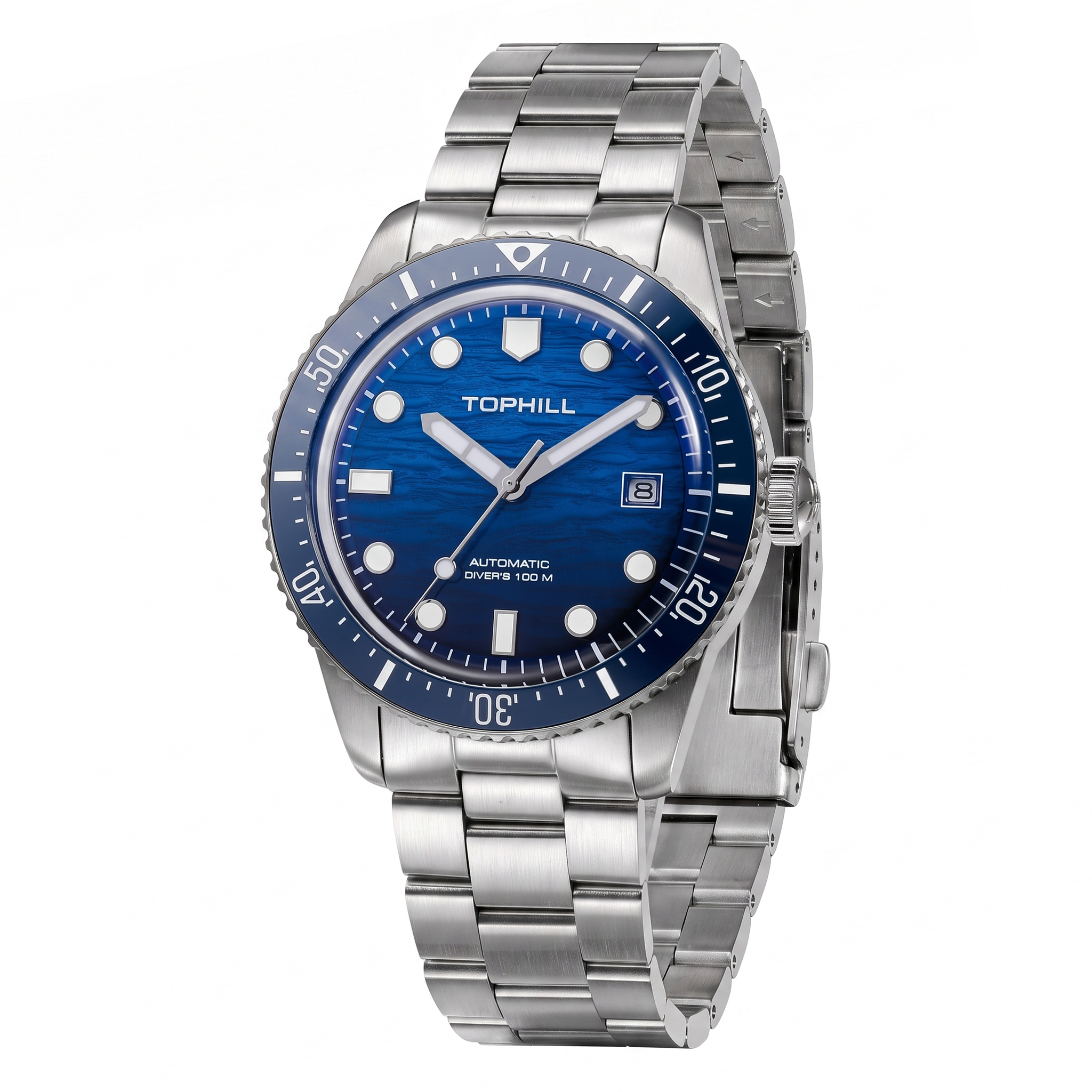
A 10ATM custom wristwatch: 316L stainless steel case, rotating bezel with ceramic insert, Miyota Automatic 8215.
Frequently Asked Questions
Which water-resistance claims can be verified from a custom wristwatch specification, and which require separate testing?
The specification verifies the design target. The current range carries 3ATM water resistance on TR001, TAM001 and TAM002; 5ATM on KIM001, KIM002 and KIM003; 10ATM on TD017G with a ceramic bezel insert and Miyota Automatic 8215; and 200-meter water resistance on TD015G with BGW9 luminous and a 316L stainless steel case. Waterproof watches go through 100% per-unit water-pressure testing before shipment rather than random sampling. What a specification does not verify is a diver’s-watch certification: ISO 6425 is the separate standard for diver’s watches, and a 200-meter rating is a static laboratory pressure figure, not proof of ISO 6425 compliance. Buyers who plan to print a diver’s-watch claim should commission ISO 6425 testing as a separate item.
How should a private label retail launch handle regional requirement dossiers?
Split the dossier into four buckets before sending it: product performance specifications, product regulations, factory system certificates, and market-specific requirements. For the EU, the documented requirement set includes CE EMC, waterproof performance as specified and movement accuracy requirements, and RoHS (Directive 2011/65/EU) is mandatory for electronic watches such as quartz models. For markets outside the EU, no regulatory obligation is asserted here as a given; the buyer’s compliance team should list the requirements and the manufacturer should confirm in writing which items are covered by a specification line, which by a test record, and which require separate certification. The factory holds ISO 9001 and ISO 14001 and states that finished products meet EU RoHS compliance standards for overseas market access.
What are the minimum order quantity, capacity and delivery constraints for a private label launch?
The documented capability record for this programme lists a minimum order quantity of 300 pieces, a monthly capacity of 50,000–60,000 units and a lead time of 75 days, with 100% testing and two years of after-sales support. The manufacturer also describes flexible order capacity from small-batch trial custom runs starting at 500 pieces up to large-volume batches of over 500,000 units, with an annual output of 400,000 units and an export ratio of 80%. Exact MOQ is confirmed per model, because case, bezel and dial construction differ across the range.
What evidence should a buyer expect during sampling and pre-shipment validation?
Sampling should be validated against the same specification lines that will govern mass production, and the pre-shipment evidence should match the claim being made. For water resistance, every waterproof watch is pressure tested individually rather than sampled. The production site is equipped with a water-resistant testing machine, a movement stem cutting machine, an automatic movement accuracy testing machine, a strap tension-torsion testing machine, a dial index inspection machine and a dropping test machine, and assembly takes place in a class-10,000 dust-free workshop. Buyers should also agree in advance that water resistance is not permanent, since sealing gaskets age with wear, impact and chemical contact, and that point belongs in the retail documentation rather than in a later dispute.
What lead time should a private label retail launch plan for, and how do we start?
The documented production lead time is 75 days, and third-party certification should be scheduled as a separate, parallel workstream, because items such as ISO 6425 diver-watch testing are not implied by a water-resistance rating and run to their own timeline. To start a project, send your specification list and target market so that each requirement can be mapped to a specification line, a test record, or a separate certification. Contact Vivian at vivianli@supertime.hk or via WhatsApp on +86 137 6014 8724; the company profile and capability brochure can be downloaded here: Super Time (HK) Industrial Ltd – Company Profile.
Conclusion: Compliance Is a Mapping Exercise, Not a Certificate
Custom wristwatch compliance is not resolved by asking for “a certificate”. It is resolved by mapping each line of the dossier to the correct evidence layer: the model specification for performance claims such as 3ATM, 5ATM, 10ATM and 200-meter water resistance, 316L stainless steel construction, flat and boxed sapphire crystals, ceramic bezel inserts and Miyota, Japan quartz, Ronda quartz or Seagull ST1905 movements; the test record for claims such as 100% per-unit water-pressure testing and movement accuracy; the factory management system for ISO 9001 and ISO 14001; and a separate third-party test for anything that a specification cannot establish, including ISO 6425 diver’s-watch certification and product-level declarations issued in the buyer’s own name.
The same discipline applies to regional requirements. Where a requirement is documented — the EU set covering CE EMC, specified waterproof performance, movement accuracy and RoHS for electronic watches — it can be confirmed directly. Where a market requirement is not evidenced, the buyer lists it and the manufacturer confirms in writing what can and cannot be supported. That approach protects the launch schedule, the retail listing and the after-sales promise at the same time, and it removes the single most expensive habit in custom watch sourcing: printing a claim that no document stands behind.
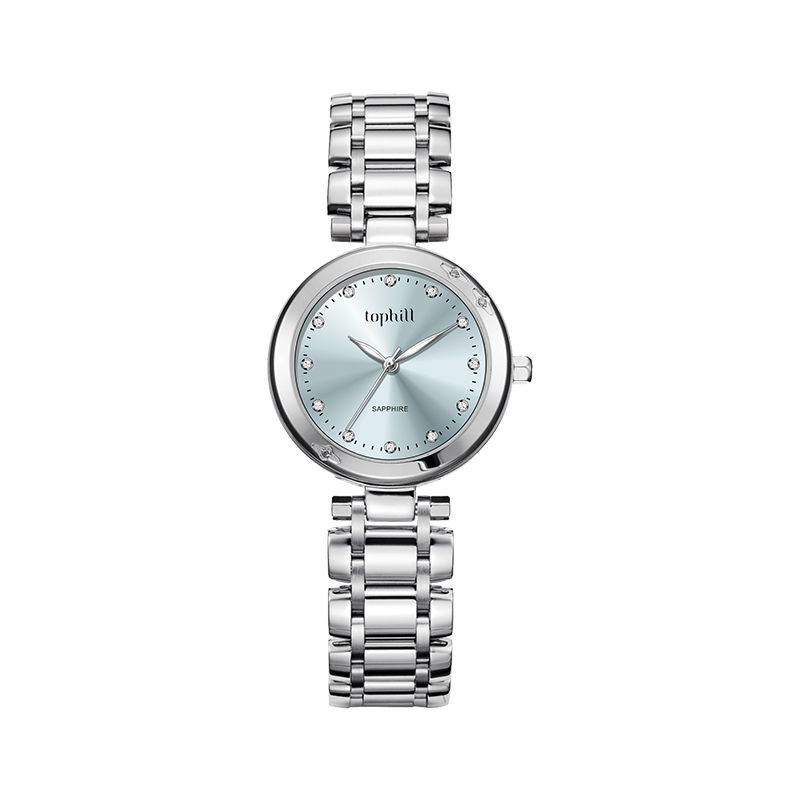
Review the physical sample against the specification list before a private label retail launch.
Next Step: Sample and Quotation Against Your Specification List
Send your specification list, target market and water-resistance requirement, and each item will be mapped to a specification line, a test record or a separate certification before quotation. Custom wristwatch projects are supported from 300 pieces, with sampling available for evaluation.
Contact: Vivian | Email: vivianli@supertime.hk | WhatsApp / Tel: +86 137 6014 8724
Website: www.supertime.hk
Address: 102, Building 6, 1 Jingdong Road, Fenggang Town, Dongguan City, Guangdong Province
Have Questions or Need More Details?
Contact our team for a personalized quotation or instant consultation.
Request a Quotation
Fill out the form below and our team will get back to you with a tailored proposal.
WhatsApp Direct Chat
Prefer to chat in real-time? Message us on WhatsApp for instant assistance & quick answers.
- Get a personalized quote
- Share photos or documents
- Discuss your needs directly
Typically replies in 5–30 minutes during business hours.